Price Comparison of Chinese and Japanese Fruits: A Big Difference
The price of Japanese varieties of fruit produced in China is usually only 1/10 or even lower than in Japan:
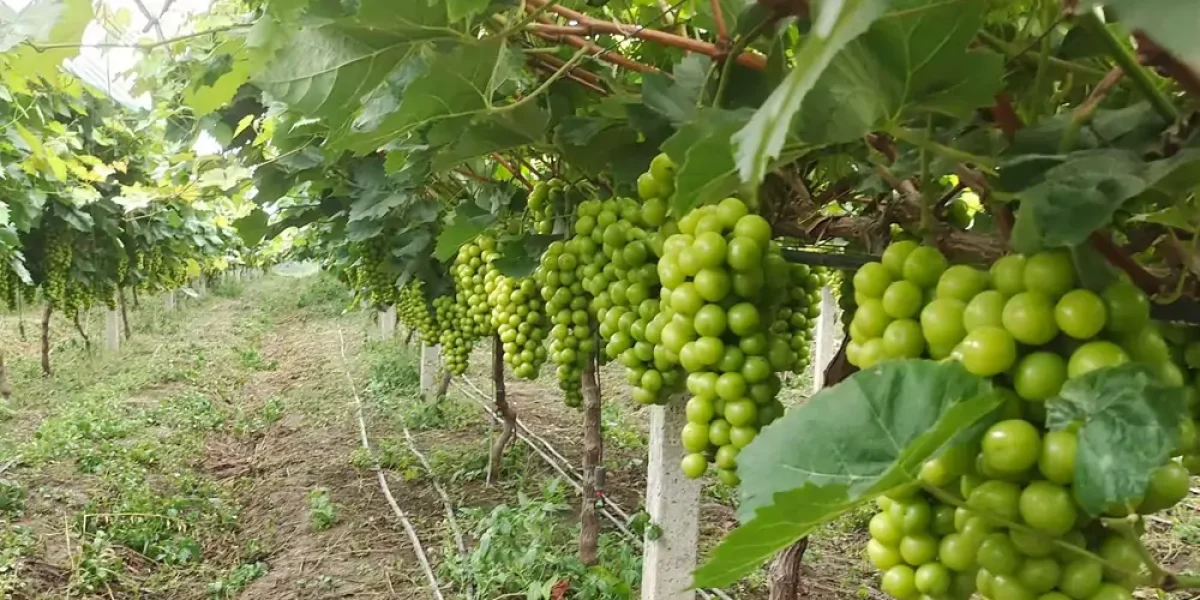
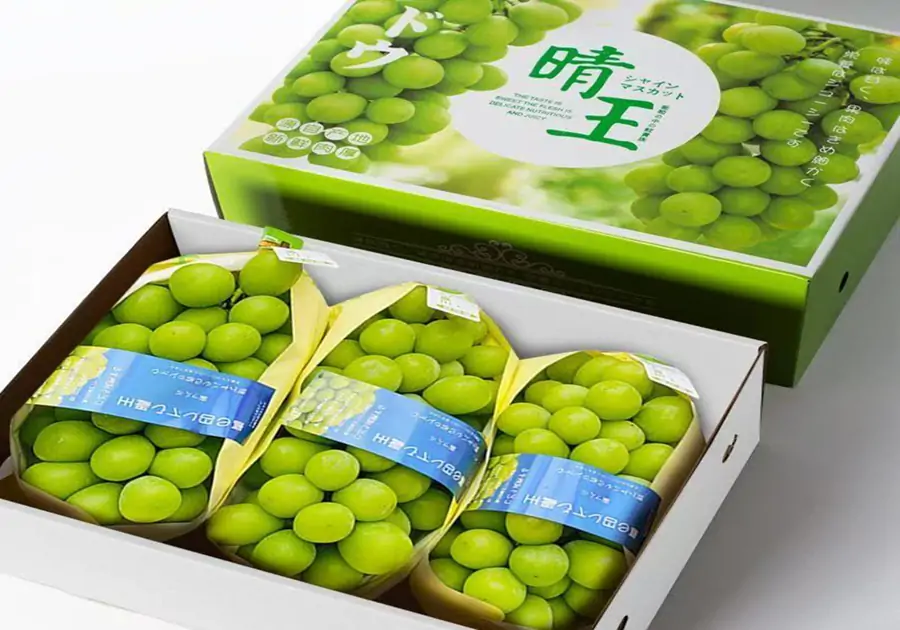
shine muscat Grapes: Initially sold for 300 CNY/jin (about 150 CNY/catties) in China, but now the wholesale price in ordinary production areas is as low as 5-10 CNY/500g, and the retail price is only a dozen CNY/500g. In some areas, there have even been instances of “10 CNY for 1500g”. In Japan, a beautifully packaged bunch of Shine Muscat grapes often costs the equivalent of 600 CNY.
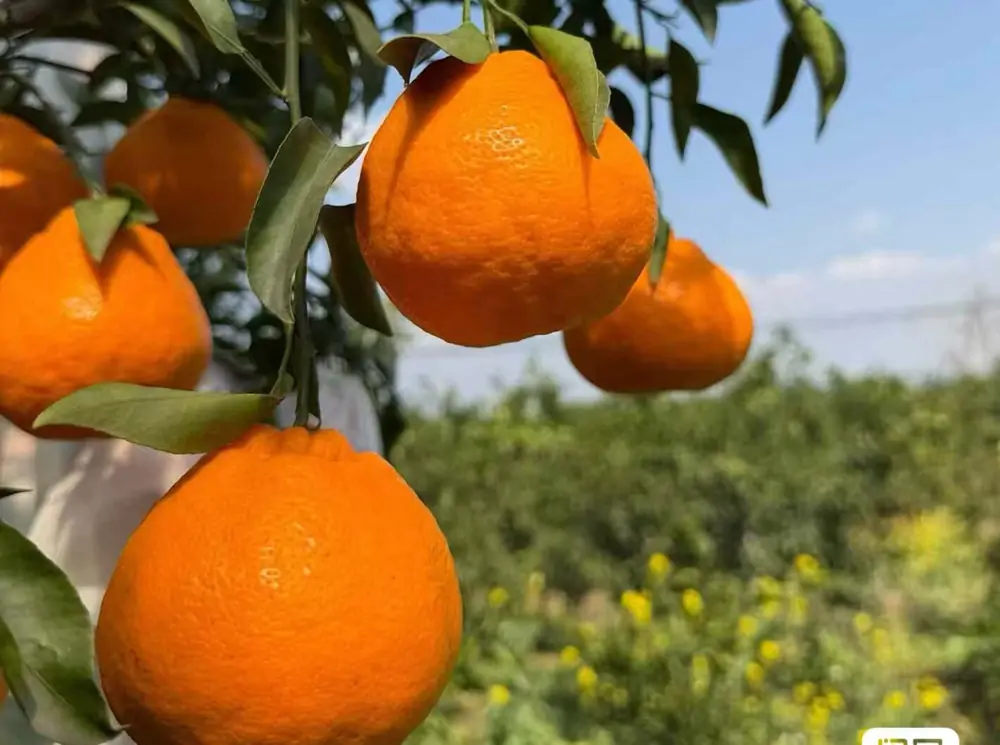
Ehime jelly oranges (AIYUAN NO. 38): An 8-jin (4 catties) pack from Sichuan costs about 35 CNY (about 4.5 CNY/500g). In Japan, a two-pack including tax costs about 1058 JPY (about 50 CNY), making it significantly more expensive than domestic orange.
Domestic Harumi Mikan Orange: Chun Jian or Papa Gan”: Chun Jian from Sichuan costs about 4-5 CNY per 500 grams. However, a single Ehime Chun Jian often costs 30-60 CNY.
Quality Comparison: High Quality at an Affordable Price
Quality Similarity: Through technical exchanges, facility cultivation (such as greenhouse temperature control and integrated water and fertilizer management), and site-specific planting (such as utilizing the early-maturing varieties of Yunnan and the late-maturing varieties of Sichuan), Chinese-produced fruits have reached 80%-90% of the sugar content, taste, and appearance of Japanese domestic products. For example, the Shine Muscat variety can reach a sweetness of 18-22 degrees Brix, retaining its seedless, crisp, sweet, and rose-scented characteristics, making it comparable to Japanese products.
Supply Advantage:
China can achieve “all-season supply,” while Japan relies heavily on seasonal supply and strict grading and sales restrictions.
Outstanding Cost-Effectiveness:
Domestically introduced fruits “achieve 80-90% of the quality of Japanese products, but at a fraction of the price.” Through large-scale planting and agricultural technology iteration, China has successfully transformed what were once “imported luxury fruits” into affordable everyday consumer goods. While Japanese domestic fruits still maintain a “niche, high-priced” approach (strictly controlled yield and extreme quality control), Chinese-produced Japanese varieties, with their extremely high cost-effectiveness and same eating experience, fully meet the mass market’s demand for “high quality at a low price.”