Citrus fruit coloring and sweetening in commercial orchard

 What Is Citrus Fruit Cracking?

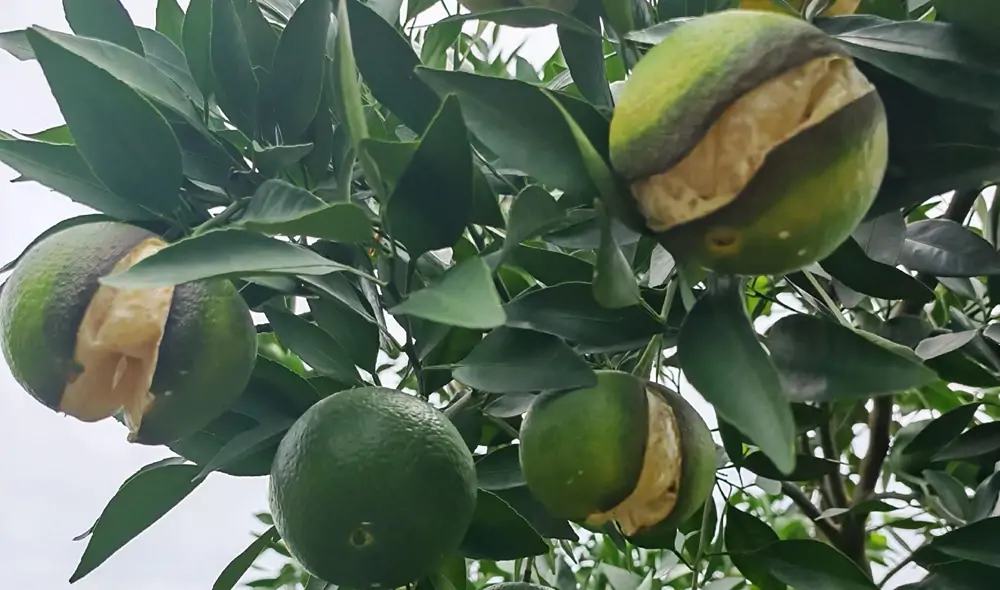
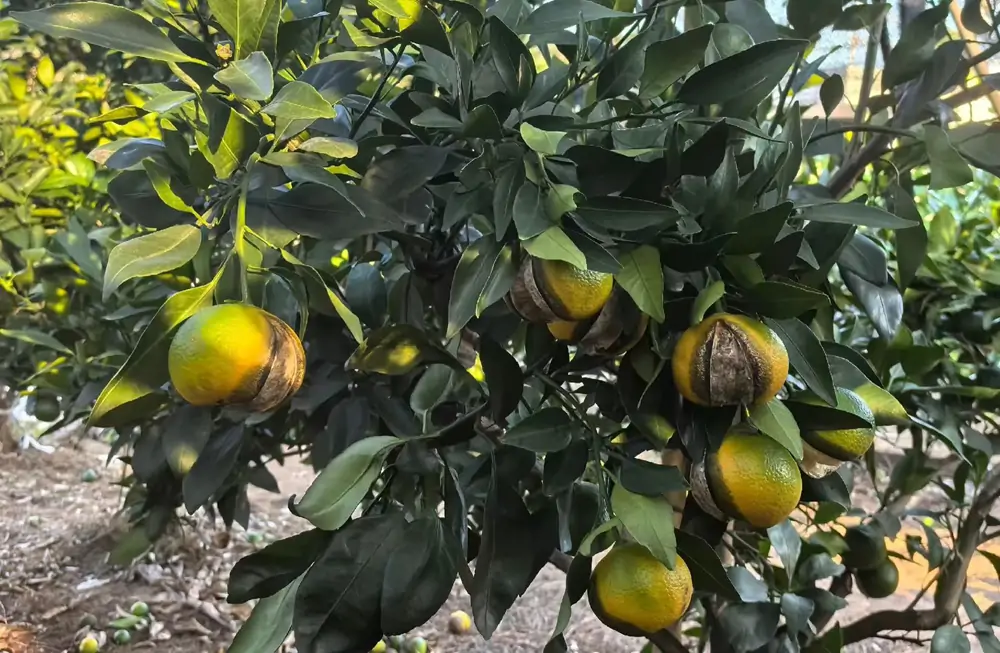
Citrus fruits are most susceptible to splitting during the fruit expansion and color-change stages. This phenomenon is a common issue across various citrus varieties, including loose-skinned mandarins, sweet oranges, and tangerines. Pre-harvest splitting not only renders the fruit commercially unviable but also increases its vulnerability to fungal infections and rot. If left unaddressed, this compromises fruit quality and reduces grower profits. The period from August to October marks the fruit expansion and coloring phases, during which splitting occurs to varying degrees, with September typically being the peak period. While the incidence rate is generally around 10%, it can exceed 50% under certain conditions. For citrus growers, understanding the underlying causes and implementing targeted preventive measures are crucial for citrus growers to improve fruit quality, minimize economic losses, and maximize marketable yield.

Citrus Fruit Craking Reason

Citrus fruit cracking, also called citrus fruit splitting, occurs when the fruit peel cannot withstand the internal pressure caused by rapid changes in fruit size and water content.Cracks may appear around the fruit peel, especially near the stylar end, equatorial area or other weak points. In severe cases, the peel can split deeply and expose the pulp.
Citrus fruit cracking is particularly common during periods when dry weather is suddenly followed by heavy rainfall or excessive irrigation.The severity of cracking depends on variety, weather conditions, soil moisture, irrigation management, nutrition and overall tree health
 

Why Do Citrus Fruits Crack?

There is usually no single cause of citrus fruit cracking. It is often the result of several factors occurring at the same time.
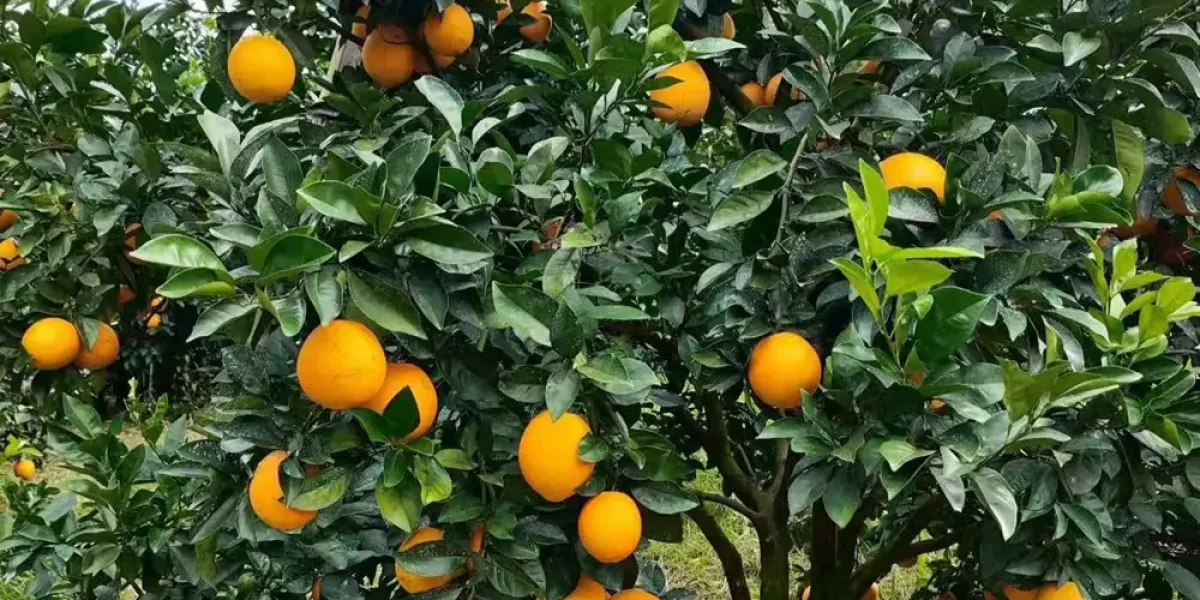
Citrus orchard in Meishan Sichuan China

 Sudden Changes in Soil Moisture

One of the most important causes of citrus fruit cracking is irregular water supply.When citrus trees experience a long period of drought, fruit growth may slow down and the peel can become less elastic. If heavy rain or excessive irrigation occurs afterward, the roots rapidly absorb water.The fruit may then expand faster than the peel can stretch, increasing internal pressure and eventually causing the peel to crack.

Excessive Irrigation

Over-irrigation can also increase the risk of fruit cracking.When citrus trees receive more water than they need, fruit cells can absorb large amounts of water. Rapid expansion of the pulp and fruit tissues can place additional pressure on the peel.Instead of allowing the orchard to alternate between very dry and very wet conditions, growers should maintain relatively stable soil moisture throughout the fruit development period.

Heavy Rainfall Before Harvest

Citrus fruit cracking frequently becomes more serious during the rainy season, particularly close to harvest.After a dry period, heavy rainfall can cause rapid water uptake. At the same time, high humidity and temperature may increase the risk of fungal infections after the peel has cracked.For orchards located in regions with concentrated rainfall, drainage and irrigation management are especially important.

Nutrient Imbalance

Nutritional management plays an important role in maintaining strong and flexible citrus peel.An imbalance of nutrients can affect fruit development, peel structure and cell growth. In particular, calcium and potassium are often associated with fruit quality and tissue strength.However, simply applying large amounts of one fertilizer is not an effective solution. Citrus trees require balanced nutrition based on soil conditions, tree growth and fruit load.

 Weak or Thin Fruit Peel

Some citrus varieties naturally have thinner or less elastic peels and may therefore be more susceptible to cracking.
Fruit cracking can also be influenced by tree vigor, crop load, fruit size and growing conditions.If a variety is naturally prone to cracking, orchard management becomes even more important.

 Rapid Fruit Growth          

When citrus fruit grows extremely quickly, the pulp may expand faster than the peel.This difference in growth rate can increase tension within the fruit. If the peel lacks sufficient elasticity, cracks can develop.Maintaining stable water and nutrient conditions can help reduce excessive fluctuations in fruit growth. 
 

Improper Orchard Management:


For instance, completely clearing ground cover to reduce pest and disease reservoirs, excessive pruning, and the overuse of fast-release nitrogen fertilizers can severely compromise an orchard’s resilience to weather fluctuations. These practices make the fruit particularly susceptible to splitting during the alternating wet and dry spells typical of summer.

 Pest and Disease Damage


Inadequate pest and disease management directly exacerbates fruit splitting. Pests such as citrus stink bugs and red spider mites, along with diseases like citrus canker, physically damage the fruit rind. This injury leads to localized moisture loss and reduces rind elasticity, significantly increasing the risk of cracking under internal pressure.
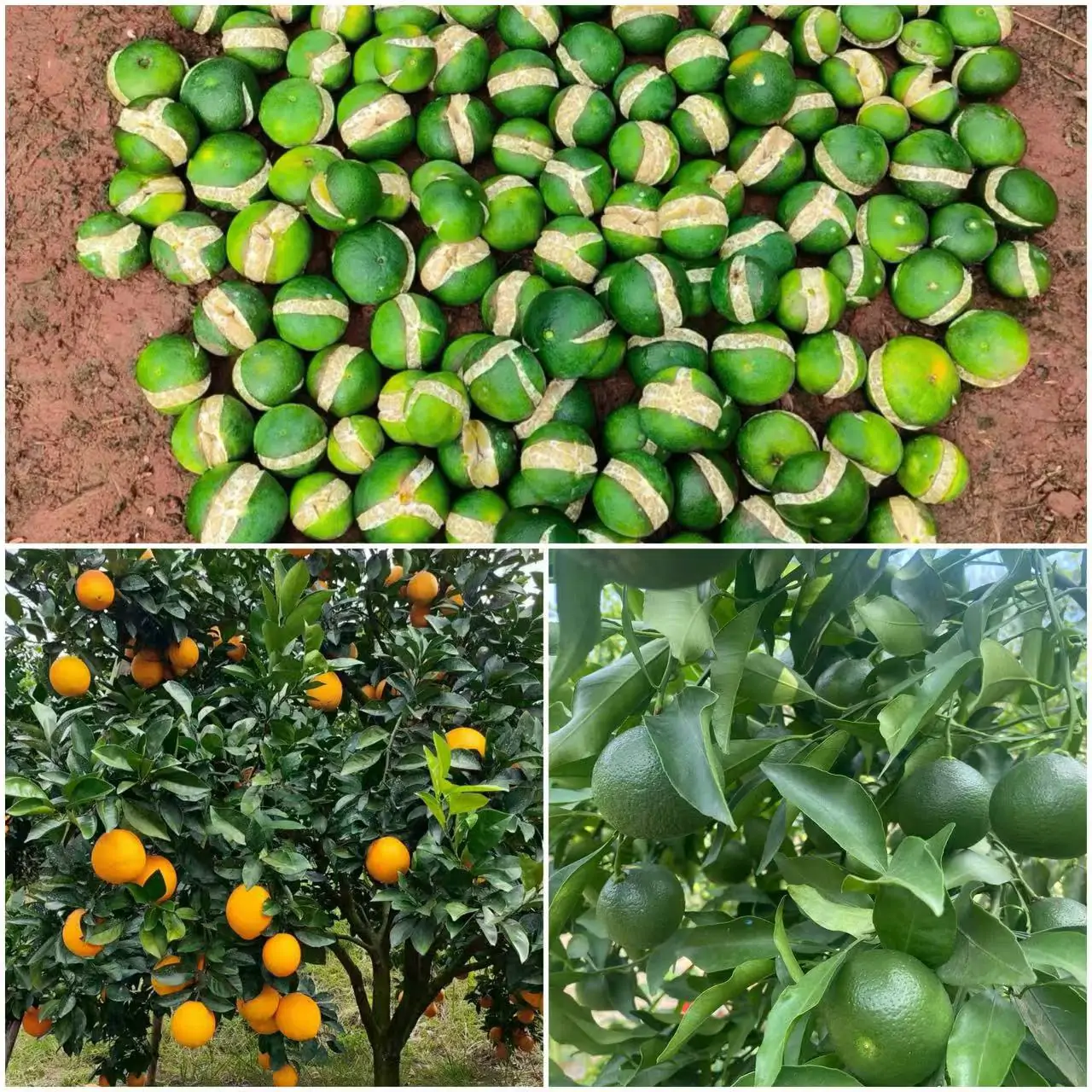
Chinese citrus fruit packing for export

 How to Prevent Citrus Fruit Cracking

Preventing citrus fruit cracking requires an integrated orchard management strategy rather than relying on a single treatment.
 

 Maintain Stable Soil Moisture

 
The most important strategy is to avoid large fluctuations in soil moisture.Do not allow citrus trees to become severely drought-stressed and then suddenly apply large amounts of water.A better approach is to maintain relatively stable moisture conditions during the key fruit enlargement stage.During dry periods, irrigation should be applied according to actual orchard conditions rather than waiting until severe drought occurs.
 

 Improve Orchard Drainage

 
Good drainage is just as important as irrigation.If heavy rain causes waterlogging, citrus roots may suffer from poor oxygen availability and reduced root activity. Excessive water can also contribute to unstable fruit water balance.Citrus orchards should therefore have effective drainage channels, suitable soil structure and sufficient water infiltration capacity.For orchards in areas with heavy rainfall, drainage planning should be considered before planting.
 

Apply Balanced Fertilization

 
Balanced nutrition helps citrus trees develop healthy leaves, roots and fruit.Instead of focusing on nitrogen alone, growers should provide an appropriate balance of:Nitrogen,Phosphorus,Potassium,Calcium,Magnesium,Boron
Other micronutrientsPotassium and calcium are particularly important components of citrus nutritional management, but fertilizer applications should be based on orchard conditions and professional recommendations.Avoid excessive nitrogen fertilization, especially late in the growing season, because excessive vegetative growth and unbalanced fruit development may create additional management problems.
 

Pay Attention to Calcium and Potassium Management

 
Calcium contributes to cell wall structure and tissue strength, while potassium plays an important role in water regulation and fruit development.Maintaining adequate calcium and potassium availability can help support fruit quality and peel development.However, growers should not assume that spraying calcium or potassium alone will completely prevent cracking.Citrus fruit cracking is a complex physiological problem, so mineral nutrition should be combined with proper irrigation, drainage and overall orchard management.
 

 Use Organic Matter to Improve Soil Water Management

 
Increasing soil organic matter can improve the soil’s ability to retain and release water.
Organic matter may help create a more stable root-zone environment, reducing extreme fluctuations between excessively dry and excessively wet conditions.Common practices include:Applying well-decomposed organic fertilizer,Using suitable compost,Maintaining appropriate ground cover,Returning suitable organic residues to the orchard,Improving soil structure Healthy soil supports healthier roots, which can contribute to more stable water and nutrient uptake.
 

Use Mulching When Appropriate

 
Mulching can help reduce direct evaporation from the soil surface and moderate soil moisture fluctuations.Organic mulch materials can also contribute organic matter as they decompose.However, mulch should be managed carefully. It should not block drainage or remain in direct contact with the trunk for extended periods.
 

 Manage the Citrus Crop Load

 
Fruit load can influence fruit size and development.If a tree carries too many fruits, competition for water and nutrients can become intense. Proper fruit thinning can help improve the balance between vegetative growth and fruit development.For some citrus varieties, appropriate fruit thinning management can
 

 Scientific Application of Plant Growth Regulators:


During prolonged dry spells or periods of drought followed by heavy rainfall, timely application of gibberellin can effectively reduce fruit cracking by stimulating peel cell growth and enhancing rind elasticity. However, precise dosage is critical, as peel thickness directly determines the commercial quality of Shatang mandarins. While an excessively thin peel is highly susceptible to cracking, an overly thick peel compromises the formation of the fruit’s characteristic granular texture. The optimal peel thickness should be strictly maintained between 1.4 and 2.0 millimeters.
Potassium nutrition for citrus fruit quality
For commercial citrus production, consistent orchard management can help reduce cracking losses, improve fruit appearance and increase the percentage of marketable fruit.
As one of the largest citrus-growing companies in Southwest China, Power Link Fruit Co., Ltd. employs standardized cultivation processes and professional technical expertise across our orchards, ensuring the production of high-quality citrus fruit.
China Citrus
Privacy Overview

This website uses cookies so that we can provide you with the best user experience possible. Cookie information is stored in your browser and performs functions such as recognising you when you return to our website and helping our team to understand which sections of the website you find most interesting and useful.