What is Ehime Jelly Orange?
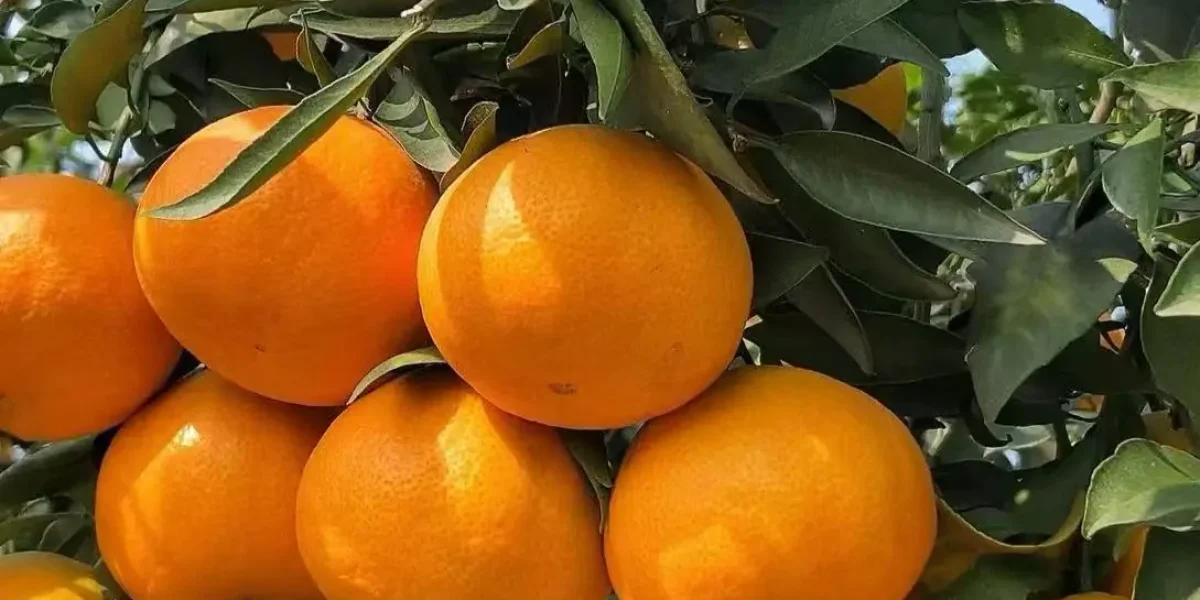
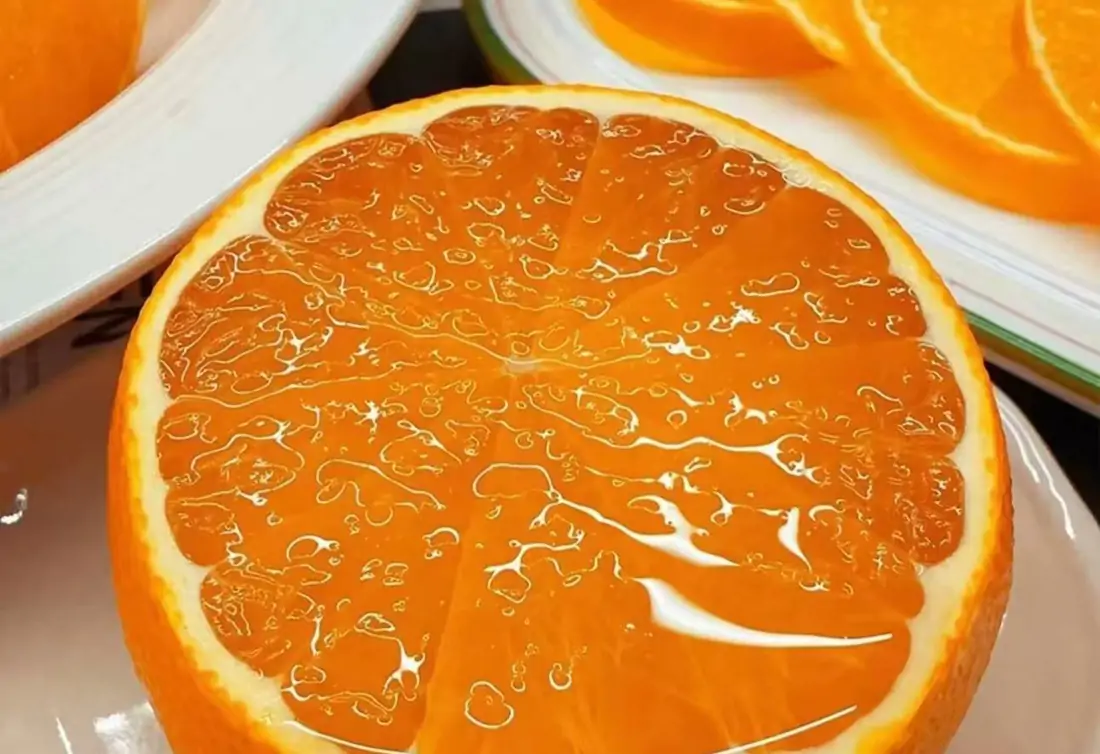
Ehime Jelly Orange originated in Ehime Prefecture Japan, and is a hybrid citrus variety bred from Nanko and Nishiko. The fruit is deep orange with a smooth, attractive appearance, a delicate, jelly-like texture, thin peel, high sweetness, low acidity, and rich of citrus aroma. Due to its unique taste, Chinese consumers often call it “jelly orange,” and loved by consumers and fruit importers. This orange has become one of the most popular high-quality citrus varieties in China.
Ehime Jelly Orange was originally named Beni Madonna in Japan, supposedly in memory of a beautiful girl, evoking a poignant love story. Many people also know it by another name “Ehime”. But why is Ehime Jelly Orange called Aiyuan? Where did it originate? When was it introduced to China? Where is it grown now? Let’s answer all these questions together.
Where does Ehime Jelly Orange originate?
Ehime Jelly Orange originated in Ehime Prefecture, Japan. The famous Ehime 38 citrus variety was bringedp through the Japanese Citrus Breeding Program and later achieved great success in both Japan and China.
Why is Ehime Jelly Orange called Aiyuan?
The answer is surprisingly simple. The Chinese name “爱媛” (Aiyuan) is directly derived from the English translation of the Japanese place name Ehime. In Chinese, Ai (爱) = Love, and Yuan (媛) = beautiful lady or elegant woman. Combined, the name sounds pleasant and carries a beautiful connotation in Chinese culture. It also aligns well with the fact that Japan named this citrus variety after the beautiful girl named Beni Madonna. When this variety was introduced to China, growers and distributors adopted the name “Aiyuan” because it retains the connection to its Japanese origins, the name is easy for Chinese consumers to remember, it sounds attractive and beautiful, and feels more poetic—all of which convey a positive brand image. Therefore, most Chinese consumers directly refer to Ehime Jelly Orange as Aiyuan.
When was Aiyuan Orange introduced to China?
Aiyuan citrus was bring to China in the early 21st century, coinciding with a growing interest in high-quality Japanese fruit varieties. After years of trials and adaptation, Aiyuan citrus rapidly expanded its commercial cultivation in the 2010s. Chinese growers discovered that Aiyuan citrus thrives in local growing conditions and possesses characteristics such as high yield, exceptional sweetness, appealing appearance, unique flavor, strong market demand, and good transport and storage qualities. Today, Aiyuan citrus has become one of the most successful imported citrus varieties in China.
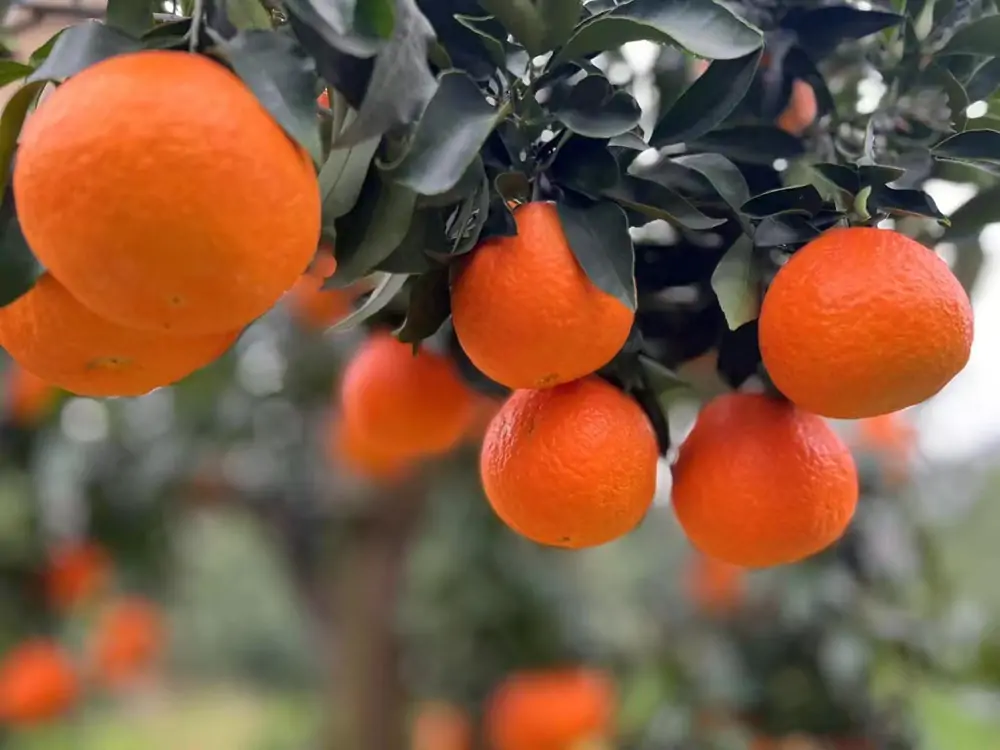
Now China is one of the world’s largest producers of Aiyuan citrus. The most important production areas for Aiyuan are Dongpo District and Danling County in Meishan City, Sichuan Province. These areas boast fertile soil, ample sunshine, suitable temperature variations, and abundant water resources. The climate here is similar to that of Ehime Prefecture in Japan, conditions highly conducive to producing citrus fruits with high sugar content, bright color, excellent flavor, and big size. Large-scale citrus orchards are ubiquitous in Meishan, with many farms possessing modern facilities covering hundreds or even thousands of acres. Through long-time development, growers have developed advanced planting techniques, including drip irrigation, scientific fertilization, fruit thinning, fruit bagging, and integrated pest management. Meishan has developed a mature citrus planting industry, supplying not only the local market but also a large quantity for export to the international market. Compared with Japanese fruits, Chinese Aiyuan citrus fruits offer similar eating quality, higher yields, lower labor costs, and stronger export competitiveness, allowing suppliers and importers to increase profits and achieve a win-win status.