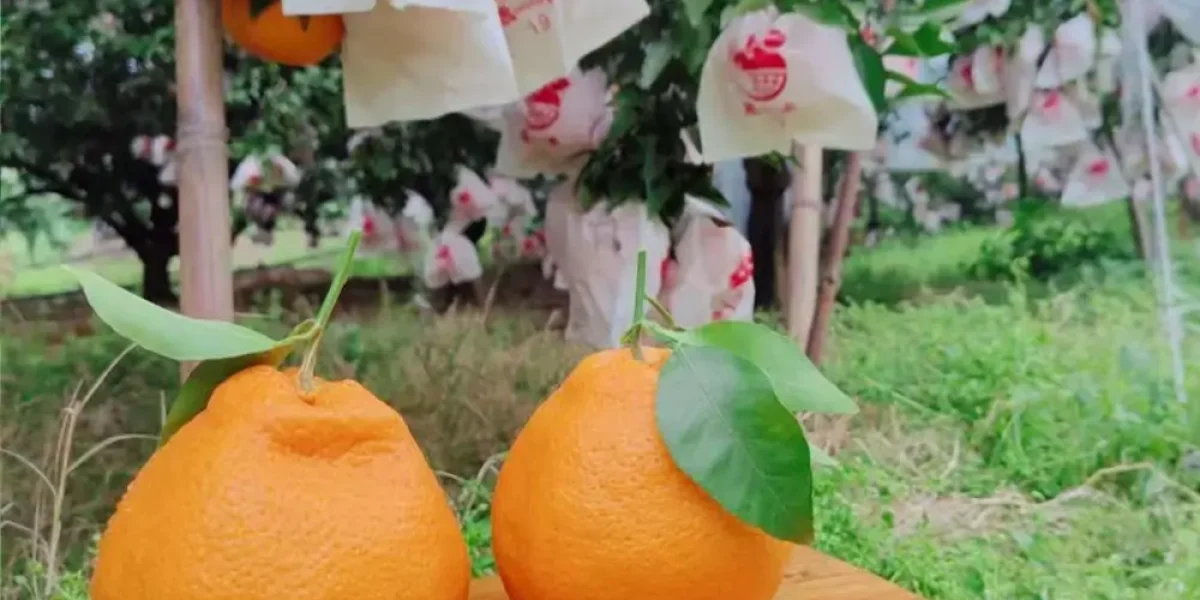
If citrus fruits had passports, Harumi mikan mandarin orange would probably need several. In Japan it is known as Harumi, a premium mandarin admired for its sweetness and easy-peeling skin. But once this citrus traveled across the sea and settled in Sichuan, China, it gained not only a new home but also got two new nicknames: “ChunJian” and “Papa Gan.”
Yes, one fruit with three names. Slightly confusing? Maybe. Slightly funny? Definitely.
The Name “ChunJian”: The meaning of meeting in spring
In China, Harumi mikan is most widely known as ChunJian (春见).
The name literally means meeting in spring which is actually quite poetic. ChunJian mandarins typically ripen in late winter to early spring, exactly when people are tired of the cold and desperately waiting for warmer days.
So when the Harumi Mikan oranges in markets around End of January or February, everyone:“Hey, spring is coming… and this fruit just showed up. Perfect! Let’s call it ChunJian.”
This is actually everyone’s attitude towards a good life.
And to be fair, the name is appropriate. The Chunjian Mandarin is sweet, juicy, and bright—almost like sunshine packed inside an orange peel. Eating one does feel a bit like spring just knocked on the door.
The Much Funniest Name: “Papa Gan”
Now things get interesting.
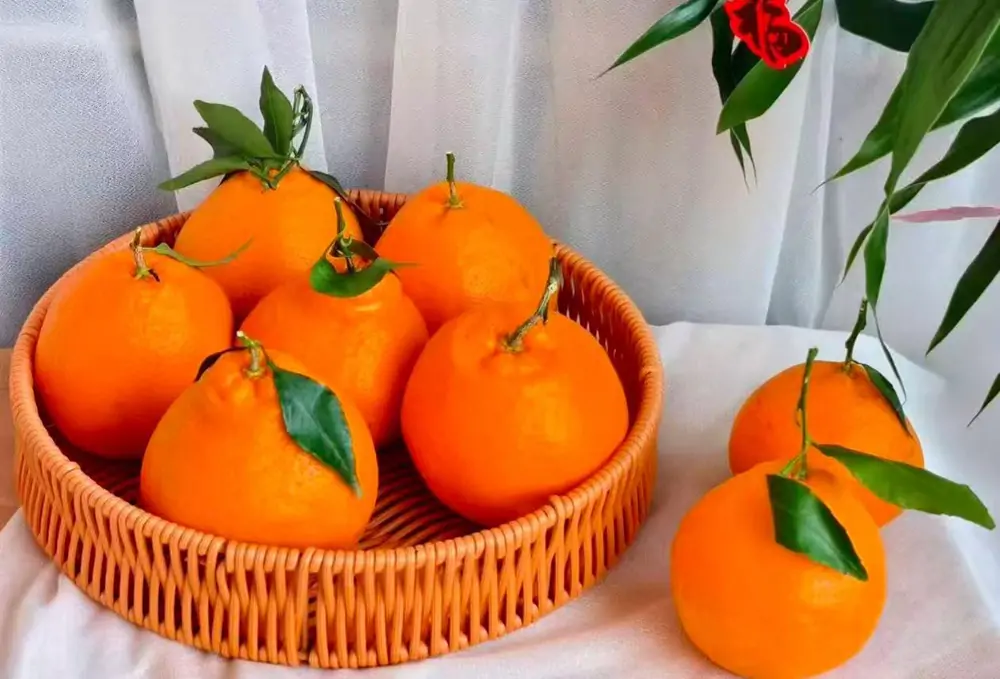
In some parts of Sichuan, ChunJian Mandarin Orange is also jokingly called “Papa Gan (耙耙柑)”.
The word “Papa” (耙耙) in the Sichuan means soft. People usually use this word to describe things with a soft texture—such as ripe peaches, fluffy bread, or… very well-cooked food.
And ChunJian mandarin orange are indeed soft and delicate when perfectly ripe. When you gently press the peel, it gives slightly, indicating a fully mature.
So locals started saying:
“This Mandarin orange is so soft… Let’s just call him Papa Gan”
In other words, “the soft and squishy mandarin Orange”
Not exactly the most elegant name in the citrus world—but definitely memorable.
Why Sichuan Loves This Citrus
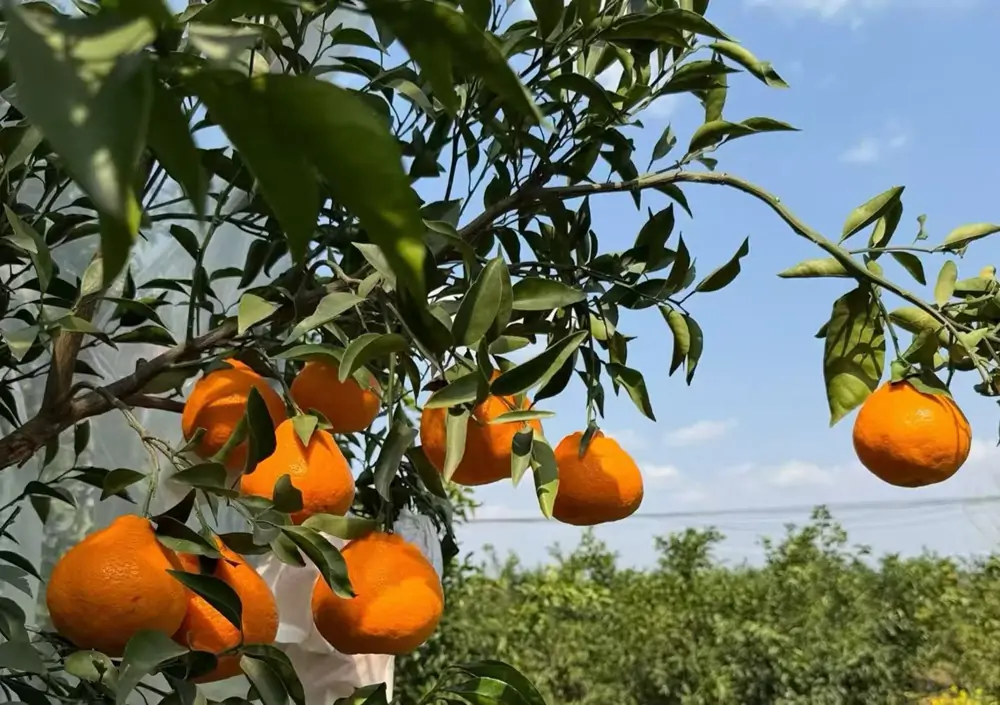
There’s also a practical reason why ChunJian (Harumi mikan) became famous in Sichuan Province, especially in areas like Meishan.
The region has: mild winters, plenty of sunshine, fertile soil, large-scale citrus orchard.
All of these conditions are ideal for producing high-quality Harumi mandarins with: high sugar levels, low acidity, very juicy flesh, easy-to-peel skinThe result is fruit that consumers love—and farmers are happy to grow.
One Fruit, Three Identities
So depending on where you are, this citrus might introduce itself differently: Harumi Mikan – its Japanese origin name, ChunJian – its elegant Chinese market name, Papa Gan – its charmingly funny Sichuan nickname.
It’s a bit like someone who has a formal name, a stage name, and a family nickname. And honestly, that fits the fruit perfectly.
Because whether you call it Harumi, ChunJian, or Papa Gan, one thing remains the same: It’s sweet, juicy, easy to peel, and it’s easy to eat several at once.
Which might explain why chinese gave it so many names—they needed multiple ways to talk about a fruit people simply can’t stop eating.
So what do you like to call it?