Winter Management Of Citrus Trees
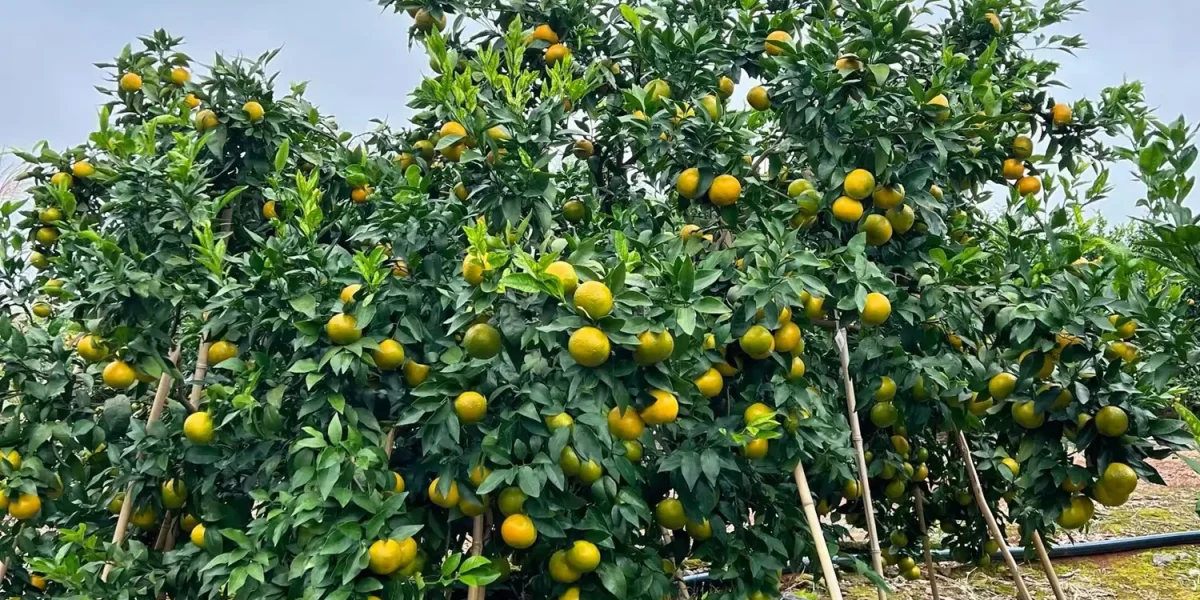
October 2026 is drawing to a close; early-maturing citrus varieties have already ripened, mid-season varieties are nearing maturity, and late-maturing varieties are preparing to safely overwinter. Is there anything left to do for the trees, or is it simply a matter of waiting to harvest the fruit? Certainly not. Winters in Sichuan are characterized by a typical damp, cold climate; although temperatures generally remain above freezing, the average temperature during the coldest month—January—ranges from 2°C to 9.5°C, with extreme lows occasionally dropping to between -1°C and -6°C. To prepare for the winter season, we must focus on key management tasks for the citrus trees.
What Are Winter Shoots in Citrus Trees?
Why Is Winter Shoot Management Important?
Reduce the Risk of Frost Damage
Maintain Nutrient Balance
Improve Canopy Structure and Air Circulation
Support Flowering and Fruit Production
When Should Citrus Growers Manage Winter Shoots?
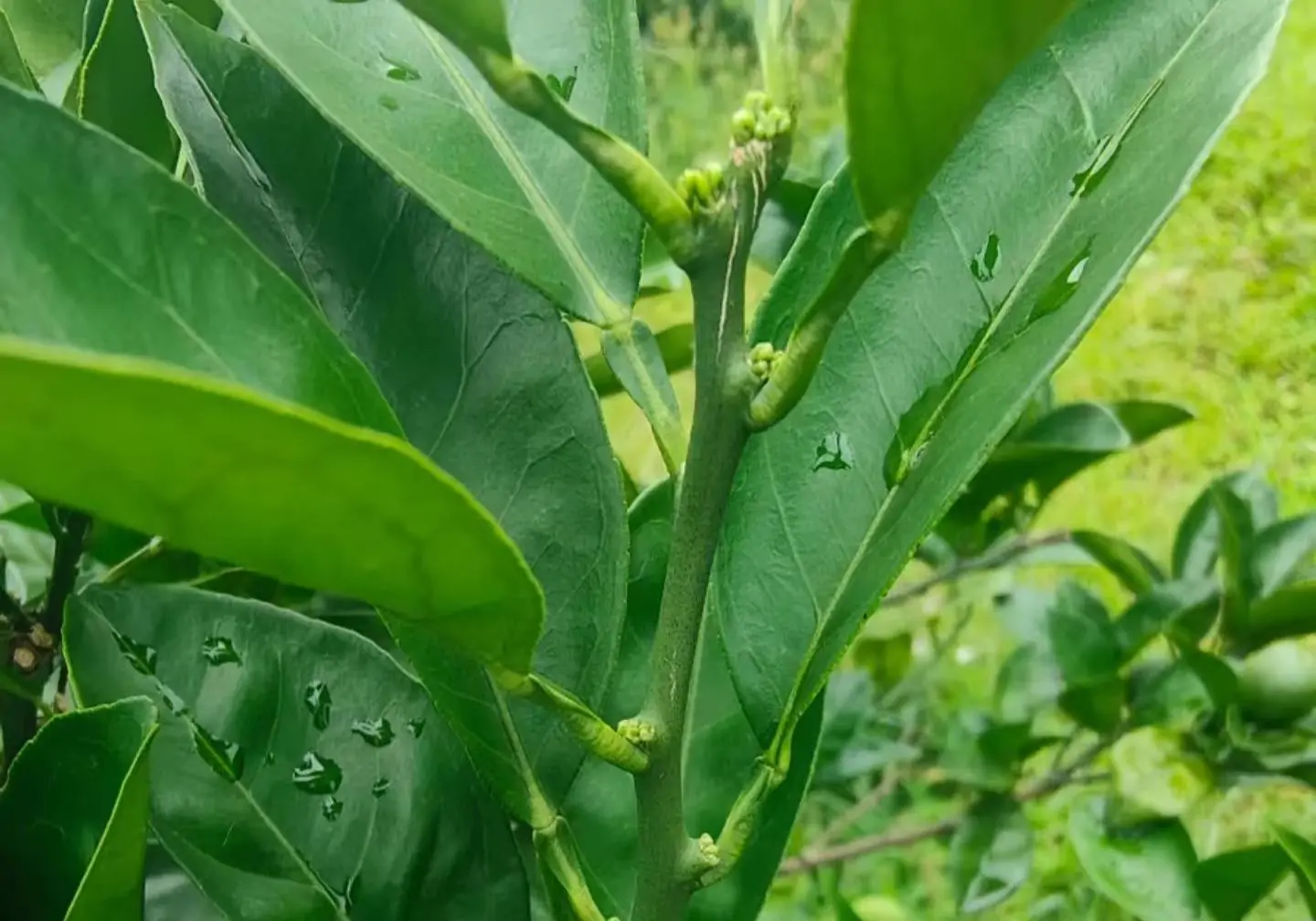
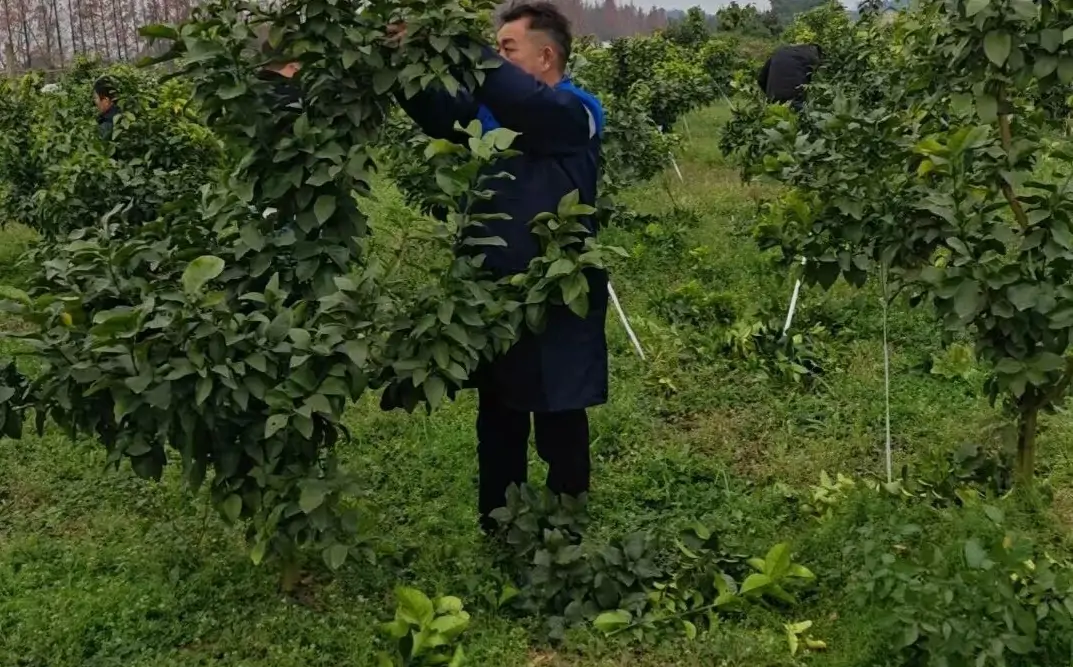
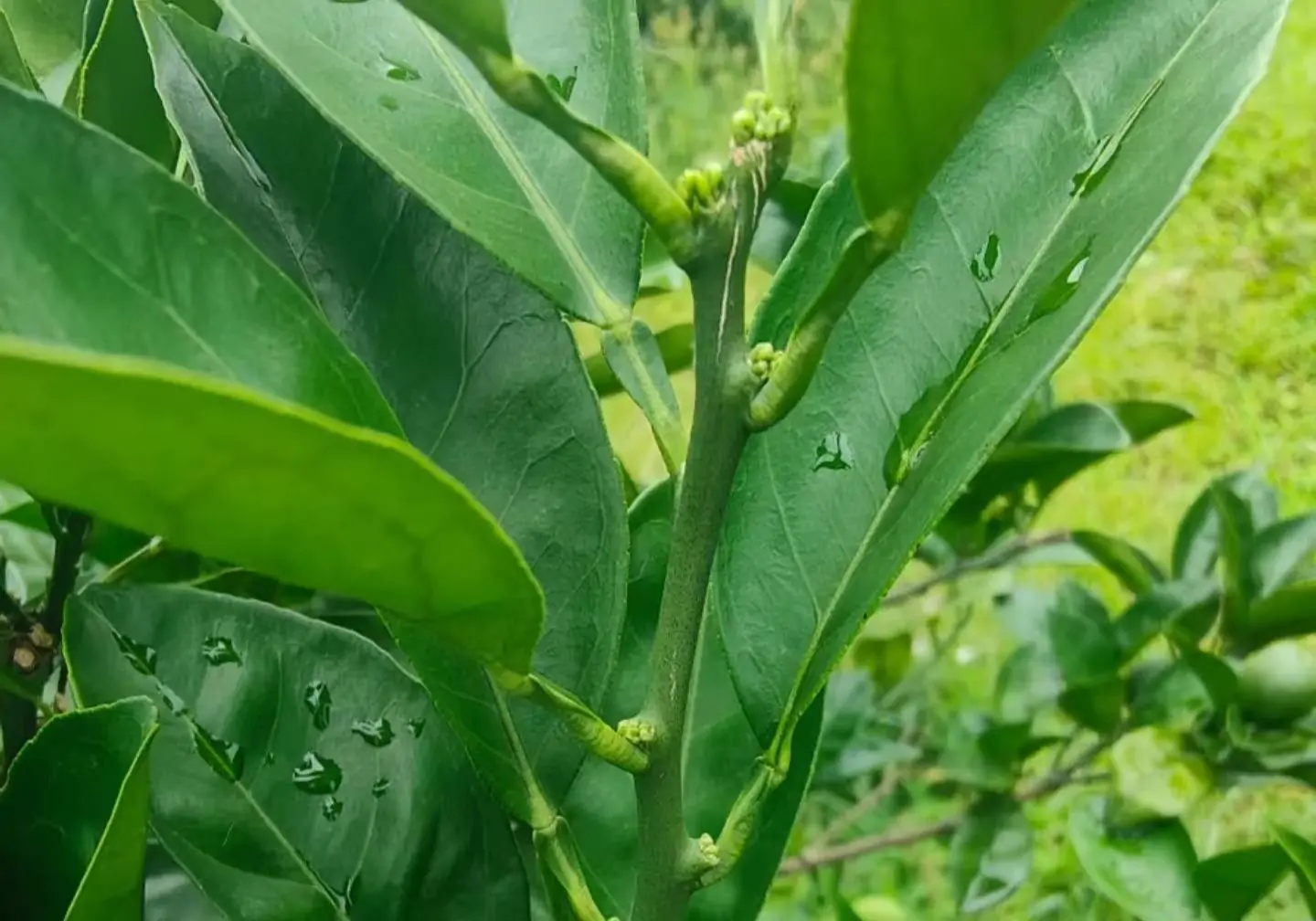
Due to the weather begins to cool, orchard managers should regularly inspect the orchard for the emergence of new shoots. Particular attention should be paid to vigorous branches in the upper canopy, watersprouts, and branches growing in undesirable directions. Excessive nitrogen application should be avoided late in the growing season, especially when the tree is still producing tender new shoots and foliage; fertilization should instead be based on the tree’s needs, soil conditions, and local cultivation guidelines. Pruning—including the manual removal of new shoots—is not recommended during the stage of flower bud differentiation. This is because such actions create numerous wounds; under favorable temperatures, these wounds can stimulate the growth of “winter shoots,” which hinders nutrient accumulation and flower bud differentiation. Furthermore, an excess of wounds alters the tree’s inner hormonal balance, increasing levels of auxins and gibberellins—changes that are likewise detrimental to nutrient storage and flower bud differentiation
Nutritional Supplementation
Citrus tree nutrition should prioritize organic nutrients supplemented by chemical fertilizers; fertilization management requires controlling nitrogen levels while appropriately increasing phosphorus, potassium, boron, and zinc. While excessive nitrogen inhibits flower bud differentiation, a significant nitrogen deficiency has the same inhibitory effect. A common approach involves a combination of organic fertilizer, high-potassium fertilizer, and fertilizers containing secondary and micro-nutrients. When applying organic fertilizer, attention must be paid to the carbon-to-nitrogen (C/N) ratio; fertilizers with a low C/N ratio should be avoided during this stage. Furthermore, the nitrogen-to-potassium ratio should be adjusted based on the citrus variety, tree vigor, and target fruit maturity date. For example, a low-nitrogen, high-potassium regimen is suitable for vigorous trees, whereas a medium-nitrogen, high-potassium approach is better for trees with weaker growth; for extremely late-maturing varieties, a slow-release fertilizer program featuring medium nitrogen and high potassium is recommended.
On-Tree Fruit Preservation
For citrus fruit kept on the tree for preservation, it is essential to strengthen nutrient and hormonal management to prevent fruit drop and increased acidity caused by low winter temperatures. Effective pest and disease control measures—such as fruit bagging, canopy covering, trunk whitewashing, and mulching the tree basin with straw—should be implemented, alongside thorough watering before the onset of cold weather. Frost protection can be summarized as: “eating well” (applying sufficient base fertilizer), “drinking well” (ensuring adequate hydration after the peak of physiological flower bud differentiation but before the frost arrives), and “dressing warmly” (bagging, covering, whitewashing, mulching, etc.). Key pests and diseases that may occur during the fruit hanging period include red mites, yellow mites, anthracnose, green and blue molds, sour rot, stem-end rot, and oleocellosis; before bagging or covering the trees, a comprehensive and safe treatment plan covering all these issues should be selected and applied thoroughly across the entire orchard.
Post-harvest Management
For early- and mid-maturing citrus varieties currently being harvested, if basal fertilizer was not applied or was insufficient, it is crucial to provide post-harvest nutritional supplementation to facilitate tree recovery; this can be achieved through the fertigation of water-soluble macronutrient fertilizers combined with water-soluble organic fertilizers. Simultaneously, thorough post-harvest orchard sanitation should be carried out. When planning sanitation measures, ensure comprehensive coverage against pests such as red spiders, scale insects, and thrips (which overwinter on autumn shoots), as well as diseases prone to outbreaks in the orchard.
Pruning Management
The timing of winter pruning should balance three key factors: the tree has recovered after fruit harvest, physiological differentiation of flower buds is largely complete, and—in regions prone to freezing—the risk of frost damage has passed. Pruning principles include: a narrow top and broad base; sparser growth at the top and outer canopy with denser growth at the bottom and inner canopy; fewer main branches but numerous smaller branches; distinct vertical layering; and balanced nutrient distribution.
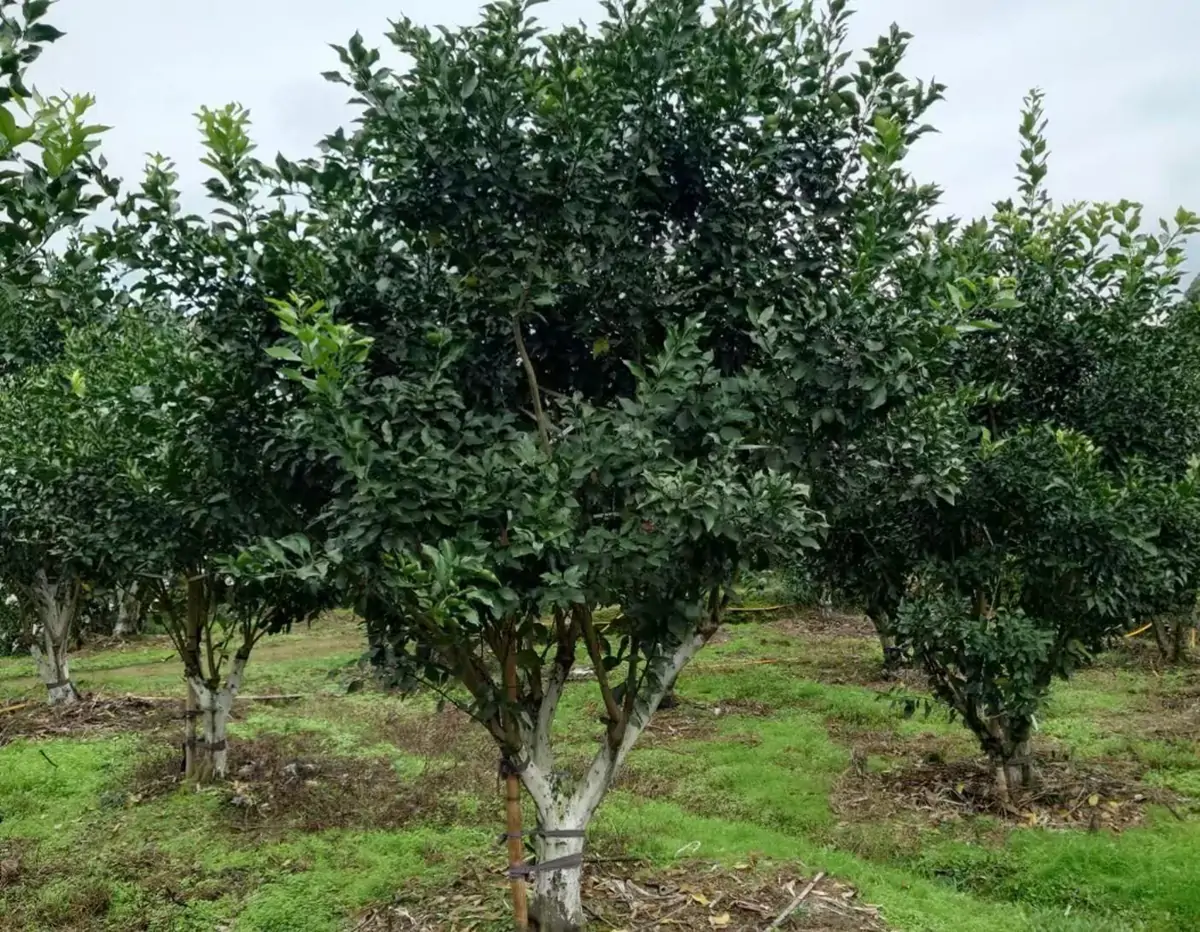
The management of winter shoots in citrus trees is an important practice for maintaining healthy canopies, reducing unnecessary vegetative growth, and preparing orchards for the next growing season.
Successful management requires more than simply removing young shoots. Citrus growers should consider shoot maturity, tree vigor, weather conditions, nutrient availability, irrigation, and the long-term structure of the canopy.
By combining selective pruning with balanced fertilization, appropriate water management, and cold-weather protection, growers can improve orchard management efficiency and support more consistent citrus production.
For citrus growers and fruit suppliers, a well-planned winter shoot management program is a valuable part of producing healthy, high-quality citrus fruit.