What is “Papa Gan”?
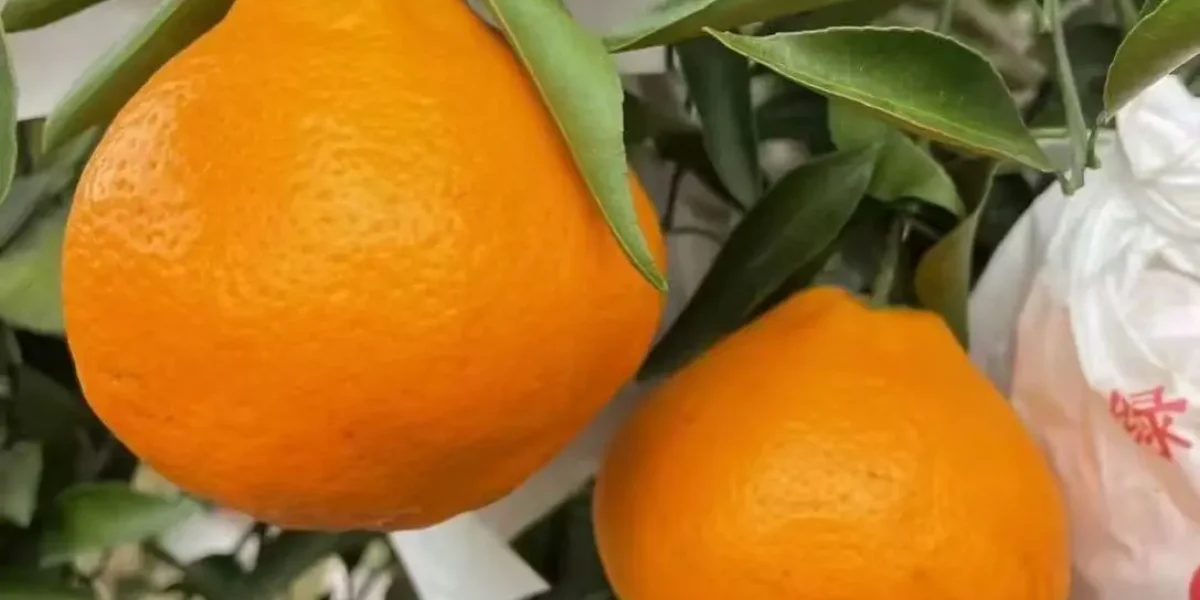
“Papa Gan” is one of China’s most popular premium citrus varieties, celebrated for its exceptional sweetness, juicy flesh, seedless nature, and effortless peeling, it is deeply loved by consumers across China and Asia. The variety originated in Japan, where researchers aimed to cultivate a citrus fruit that combined high sweetness, easy peeling, excellent flavor, an attractive appearance, and a rich citrus aroma. It was ultimately developed by crossing the “Kiyomi” tangor with the “Ponkan” mandarin (specifically the F-2432 strain). The resulting variety is known as “Harumi Mikan,” a premium citrus highly prized in the Japanese market.
Why is it called “Papa Gan”?
“Papa Gan” was introduced to China in 1999, the variety was cultivated on a large scale. Today, it is grown in regions such as Jiangxi, Fujian, Sichuan, Chongqing, Hunan, and Zhejiang. Sichuan boasts the largest cultivation scale, with major production concentrated in Pujiang County (Chengdu) and the Dongpo District and Danling County (Meishan); the total planting area exceeds one million *mu* (approximately 165,000 acres). In Japan, it is called “Harumi Mikan”—a name signifying “meeting in spring”—because the fruit ripens as spring approaches, carrying a beautiful, auspicious meaning. However, why did it acquire the name “Papa Gan” in China? The variety thrives in Sichuan, producing the highest quality fruit, which is particularly favored by customers. The skin of this citrus is soft and peels away very easily; in the Sichuan dialect, the word “Papa” (or *耙*) means “soft.” Locals use this term to describe soft-textured items, such as fluffy bread, cooked taro, or baby food. Since the fruit becomes soft and tender upon ripening, locals in Sichuan named it “Papa Gan.” As the reputation of Sichuan-grown Harumi Mikan grew, the name “Papa Gan” became the standard term across China. With the increase in Chinese citrus exports, this name has also been adopted in other Asian countries, and the name has even caught on among some fruit importers in the United States.
Prices in China
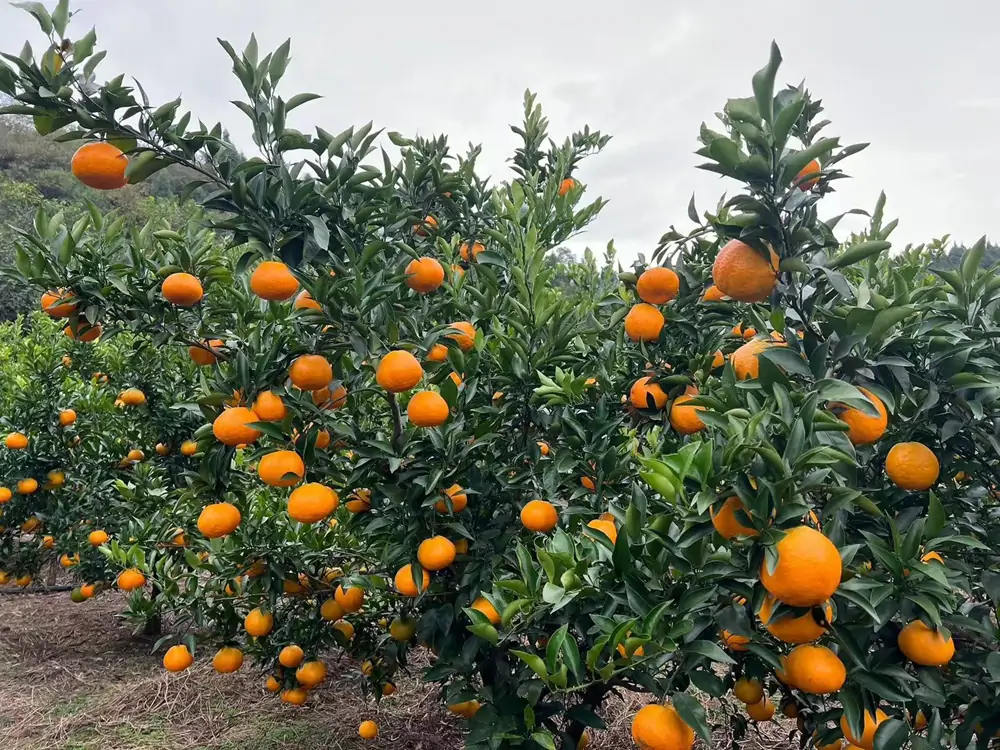
The “Papa” mandarin (also known as the Harumi variety) has become a massive commercial success in China. As a best-selling staple, it is ubiquitous across the country, found everywhere from premium supermarkets and specialty fruit shops to local roadside stalls. During the annual harvest season, traders from across the country flock to Sichuan’s citrus-growing regions to make purchases. In Meishan, one can see trucks loading up right beside the orchards and packaging plants busy processing the fruit. Initially, as a premium citrus variety, it commanded a very high price: orchard-gate prices typically ranged from CNY 12–20/kg, while retail prices were usually CNY 18–30/kg—rising to CNY 30–40/kg in northern China. However, as production volumes have increased, prices have since dropped to the CNY 5–10/kg range.
Prices in Japan
According to online reports, a batch of 100 Harumi mandarins once fetched a staggering USD 9,600 at auction. In Japan, this variety is considered a niche or experimental crop; it is typically sold by the individual piece in high-end boutiques or through specific agricultural cooperatives at very high prices (a single fruit can cost several hundred yen). Average consumers rarely encounter it, as supermarkets predominantly stock other citrus varieties (such as Satsuma mandarins and Iyokan). Fruit plays a unique role in Asian culture, particularly in Japan. This extraordinary pricing is deeply rooted in Japanese culture, where fruit transcends its role as a dietary staple to become a luxury item. The purchase and consumption of fruit are intricately intertwined with sociocultural customs, playing a significant and ceremonial role in Japan’s elaborate gift-giving traditions.
Why is it so expensive?
First, let’s look at the specifications of the *Papa Gan* (a type of late-ripening hybrid mandarin):
1. Sugar content reaches 14–16 degrees Brix (compared to around 10 degrees for ordinary mandarins).
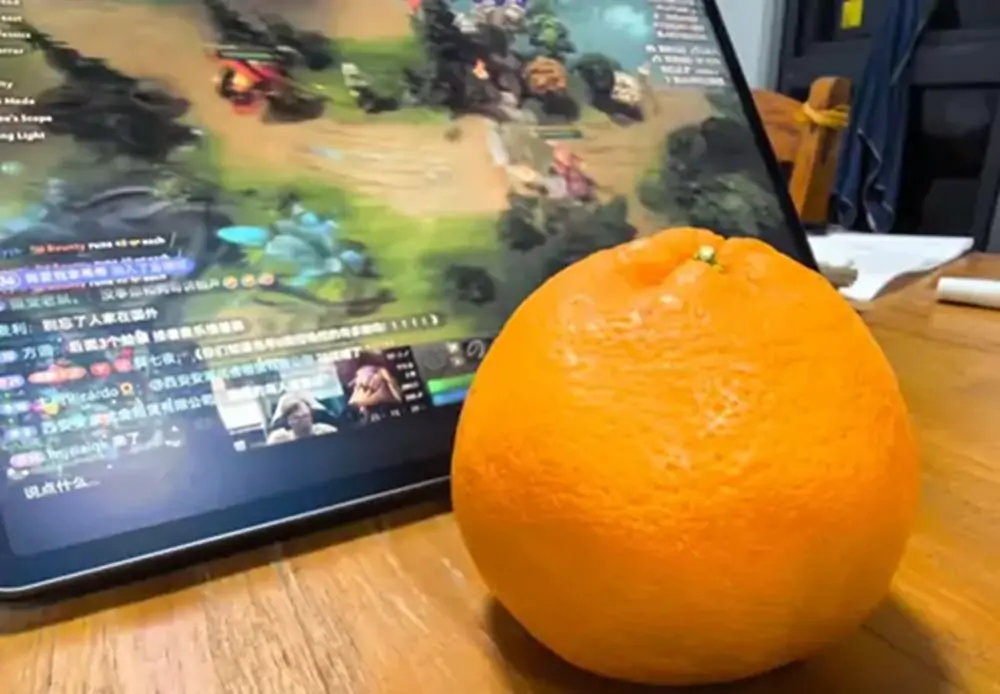
2. Individual fruit weight ranges from 150 to 250 grams.
3. Edible portion is as high as 85% (versus 70% for ordinary citrus).
4. Available exclusively from January to March, strategically avoiding the peak market season of other citrus varieties.
Second, the advantages of *Papa Gan* cultivation: 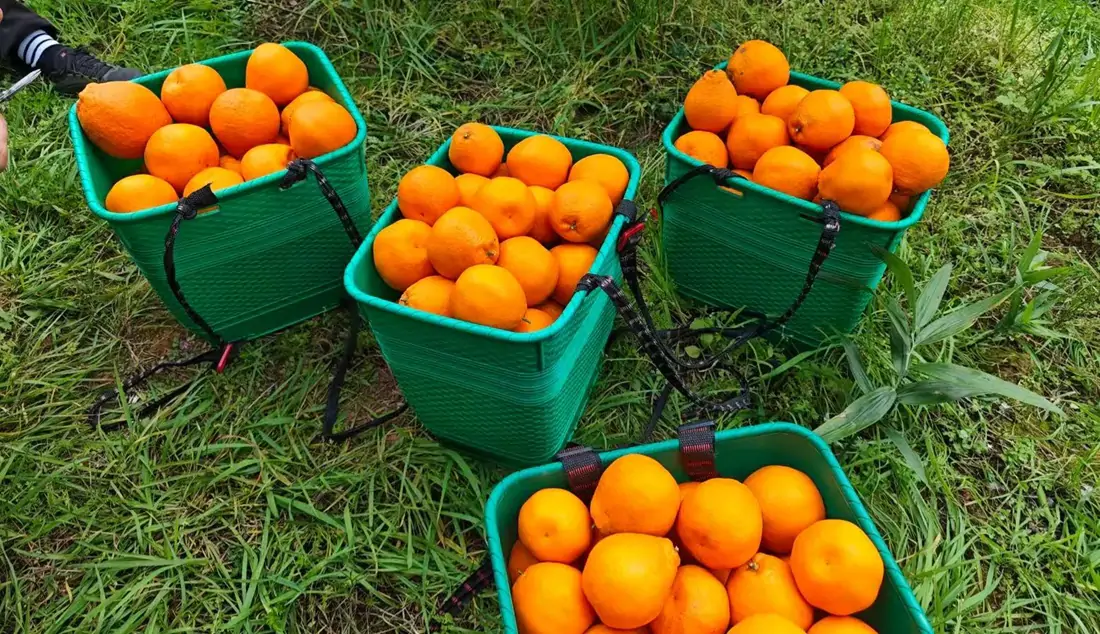
Superior Quality: Originating from Japan and now predominantly cultivated in Sichuan, Papa Gan is a premium late-ripening hybrid citrus. It is characterized by high juice content, sweetness, large and uniform fruit size, and smooth, thin skin that is easy to peel. The fruit is plump and seedless, with a crisp, tender, and juicy texture and a rich citrus flavor; it has quickly gained consumer acceptance and enjoys great popularity in the market.
Geographical Advantage: Sichuan. The basin’s topography is ideally suited for citrus cultivation—particularly in Meishan, which is renowned as a “High-Quality Citrus Production Base in China.” Situated at 30° North latitude—a prime zone for citrus growing—Meishan enjoys a unique humid subtropical monsoon climate. The region boasts abundant sunshine and precipitation, characterized by mild winters and moderate summers. Featuring an extended frost-free period of up to 315 days, it offers optimal agricultural conditions and is widely recognized as the “Hometown of Citrus.
Long Growth Cycle: The “Papa Gan” mandarin (also known as the Harumi or Dekopon variety) has a growth cycle of approximately 270 days, allowing the fruit to reach perfection through exposure to the elements across all four seasons. This extended maturation period ensures the fruit’s exceptional quality.
Rich in Nutrients: Rich in essential nutrients like Vitamin C and citric acid, these mandarins offer remarkable health benefits, including skin-enhancing properties and natural fatigue relief. This exceptional nutritional profile significantly amplifies their market appeal.
Market Demand: As consumer demand for premium fruit rises, the “Papa Gan ” mandarin—prized for its excellent taste and superior quality—has naturally become highly sought after, driving up its market price.
Current Status of “Papa Gan” (Chunjian) Citrus in China
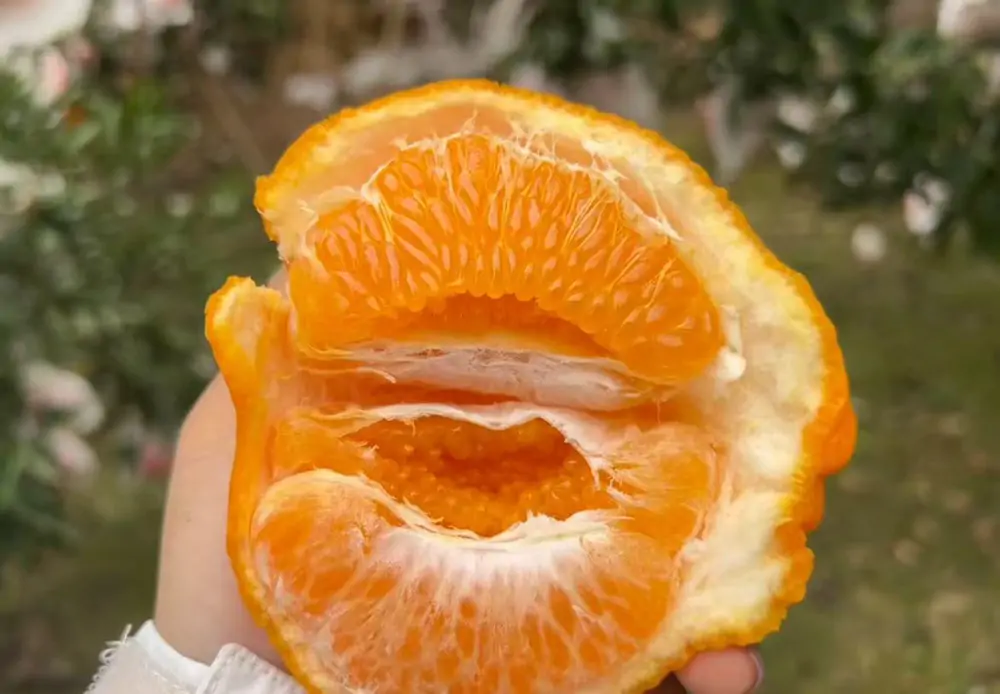
Over 90% of China’s high-quality “Papa Gan” production areas are concentrated in Sichuan Province, with the “Golden Triangle” formed by Pujiang (Chengdu), Danling (Meishan), and Dongpo (Meishan) serving as the core hub; limited trial cultivation also exists in high-altitude regions of Yuxi (Yunnan) and Guilin (Guangxi), as well as in Chongqing and Zhejiang.
1.Pujiang, Sichuan: The county with the largest single-variety cultivation area in the country; the citrus planting area (dominated by “Papa Gan”) spans approximately 450,000 *mu*. The total output for the 2025–2026 harvest season is projected to reach 1.0–1.1 million tons, with a direct production value of around 7.2 billion RMB and an industry chain value approaching 10 billion RMB.
2.Meishan, Sichuan: Widely recognized as the “Hometown of Late-Ripening Citrus in China,” Meishan boasts over 300,000 mu of “Papa Gan” orchards with an annual output exceeding 600,000 tons—accounting for more than 30% of the national total. Furthermore, the “Meishan Spring Citrus” brand holds the prestigious National Geographical Indication certification, serving as a golden hallmark of its premium quality and authentic origin.
According to statistics from the Ministry of Agriculture and Rural Affairs, the national cultivation area for “Chunjian” (Papa Gan) spans approximately 1 million mu, with an annual output exceeding 3 million tons. As of mid-2026, the “Papa Gan” industry in China is at a critical juncture, transitioning from rapid capacity expansion to a new phase of brand standardization and premium quality. Characterized by simultaneous rapid capacity expansion and brand standardization; the overall landscape is defined by high output, fierce competition, strict regulation, and rising exports. The “Papa Gan” mandarin (also known as the Harumi or Dekopon variety) has evolved from an early phase of high premiums—fetching 12–20 RMB per kilogram at the orchard—to a stage where prices have normalized and diverged significantly due to expanded planting areas and rising yields. Having transitioned from the initial trial-planting phase to mature industrialization, the Papa Gan mandarin has become a key pillar of the multi-billion-yuan specialty agricultural sector in Sichuan and other southwestern production regions. The industry is currently undergoing a structural adjustment characterized by “deflating bubbles, prioritizing quality, and strengthening brands.” While a downward trend in the price of ordinary fruit is inevitable, premium Papa mandarins—cultivated to high standards in core production areas—retain strong market competitiveness and significant growth potential. For consumers, the ability to enjoy Papa Gan mandarins without price constraints is becoming a reality; for the industry, the next phase of competition will focus on standardized management and the development of regional collective brands.
Is the Papa Gan mandarin worth importing?
The answer is a resounding yes. As a high-quality citrus variety, it offers an unprecedented experience in terms of taste, appearance, and ease of consumption. Distinctly different from traditional citrus, it redefines one’s perception of how delicious a citrus fruit can be. Driven by surging domestic production in China, fruit traders have aggressively expanded export channels. Today, Papa Gan mandarins are highly popular across Russia, Central Asia, the Middle East, and other Asian markets. This boost in supply has not only made prices more competitive but has also empowered the fruit to rapidly capture international citrus markets. Thanks to its exceptional quality, the fruit is generating substantial profits for importers. For international buyers seeking a citrus product that is sweet, juicy, and high-quality—yet competitively priced—Sichuan’s Papa Gan mandarin is undoubtedly an outstanding choice in today’s global market.