
Mandarin Orange Fruit Bagging
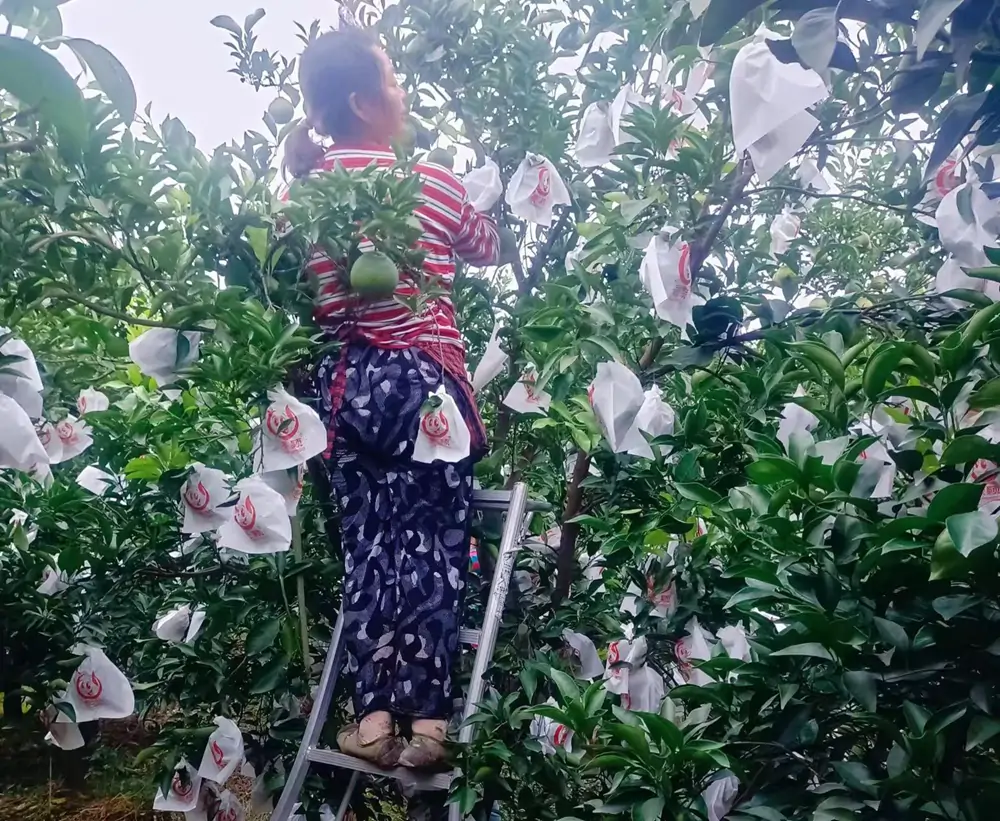
As citrus fruits across Meishan, Sichuan, gradually mature and temperatures begin to drop, fruit bagging operations have commenced. Key varieties include Ehime Jelly Orange and Papa Gan. These varieties have a long growth cycle and are typically harvested from January to late March of the following year, with some preserved on the tree until April. Papa Gan, in particular, has the most prolonged on-tree growth period among citrus varieties. Because the fruit must endure cold winter conditions, bagging for frost protection is indispensable.
Fruit bagging is also an important orchard management technique. It is primarily used to protect growing citrus fruit, improve fruit appearance, and reduce certain types of fruit damage. By covering individual fruits with specially designed bags, growers can minimize the fruit’s direct exposure to environmental stress, reduce damage caused by some pests and diseases, and enhance the visual quality of citrus fruit. However, to achieve good bagging results, it is necessary to apply the technique at the right time, choose suitable bagging materials, and follow correct operating procedures.
What is Citrus Fruit Bagging?
Citrus fruit bagging is an agricultural management practice in which individual fruits are wrapped in protective bags while still growing on the tree. The bag forms a physical barrier between the fruit and the external environment.
In commercial citrus orchards, this technique is mainly used to protect fruit, reduce skin blemishes and mechanical damage, and minimize the impact of external environmental factors on marketable quality.
For premium citrus production that emphasizes fresh-fruit appearance, skin cleanliness, and fruit uniformity, bagging offers certain practical value.
Basically, all citrus varieties can be considered for bagging, depending on actual growing conditions.
The actual effectiveness of bagging depends on the citrus variety, local climate, orchard conditions, pest and disease pressure, and the type of fruit bag used.
Main Benefits of Citrus Bagging
Improving Citrus Fruit Appearance
Improving fruit appearance is one of the primary purposes of bagging citrus. Protective bags can reduce skin blemishes caused by branch friction, minor mechanical injuries, and environmental exposure. Under appropriate conditions, bagging also helps keep the fruit skin clean and improves the uniformity of the fruit’s appearance. For growers supplying supermarkets, wholesalers, and export markets, good fruit appearance can provide a certain commercial advantage.
Reducing Certain Pests
Fruit bags create a physical barrier that prevents some pests from directly contacting the fruit surface or laying eggs on exposed fruit.
However, bagging does not eliminate all citrus pests. If the bags are not sealed tightly, pests may still enter. Additionally, pests that damage leaves, branches, and other parts of the tree still require appropriate control measures.
Therefore, growers should combine bagging with regular orchard inspections and integrated pest management.
Reducing Fruit Damage from Environmental Factors
Citrus fruits may be affected by sunburn, wind abrasion, and other environmental stresses during growth.
Depending on the bag material and local environmental conditions, bagging can reduce direct sunlight exposure to the fruit and lower the risk of certain types of physical damage.
In hot regions, suitable fruit bags can help reduce the risk of sunburn. However, if the bags trap excessive heat or moisture, they may cause other issues. Therefore, choosing the right bag material is crucial.
Supporting Premium Citrus Production
For high-value citrus varieties, such as Ehime Jelly Orange, Kanpei, Sumo Orange, Harumi Mikan, and Papa Gan, bagging can increase the proportion of fruits with good external quality, helping to enhance their market value.
It is important to note that bagging does not guarantee higher selling prices or improved internal quality. Fruit size, sweetness, acidity, flavor, maturity, and storage performance are still influenced by factors such as variety, leaf health, nutrient management, irrigation, water supply, crop load, and harvest management.
What is the best time for bagging citrus fruits?
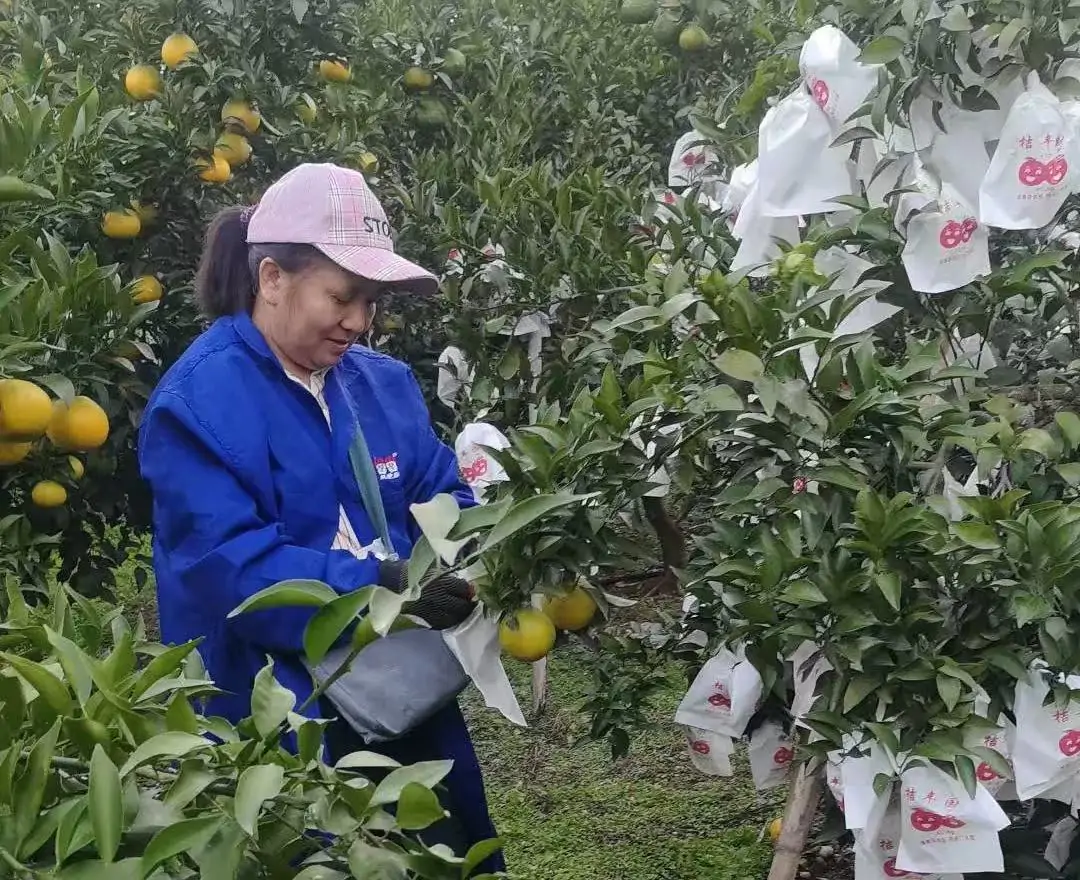
Choosing the right bagging time is one of the key factors determining the effectiveness of citrus fruit bagging. Generally, growers can consider bagging when the main period of physiological fruit drop has basically ended and young fruits have developed to a stage where they can be handled safely, or when the fruits gradually begin to change color. In the citrus-producing areas of Meishan, Sichuan, bagging usually starts in October. The specific bagging time in other production areas should be determined according to the citrus variety, planting region, fruit growth stage, and the purpose of bagging
Citrus bagging methods and techniques
Proper bagging operations can improve fruit protection while reducing unnecessary labor input and fruit damage.
Step 1: Choose the right fruit bags Select fruit bags
specifically designed for citrus fruit protection. Material strength, breathability, waterproof performance, light transmittance, durability, and bag size should be comprehensively considered. Depending on growing conditions, paper fruit bags, breathable non-woven fabric bags, and other specialized fruit bags can be chosen. The best choice depends on the citrus variety, local climate, target market, and the remaining time until harvest.
Step 2: Select healthy fruits
Inspect the trees and choose fruits that are well-developed, free of obvious diseases, and meet the requirements of the target market. Fruits with severe mechanical damage, obvious pest damage, or disease symptoms should not be bagged. Bagging cannot repair damage that has already occurred.
Step 3: Open the fruit bags
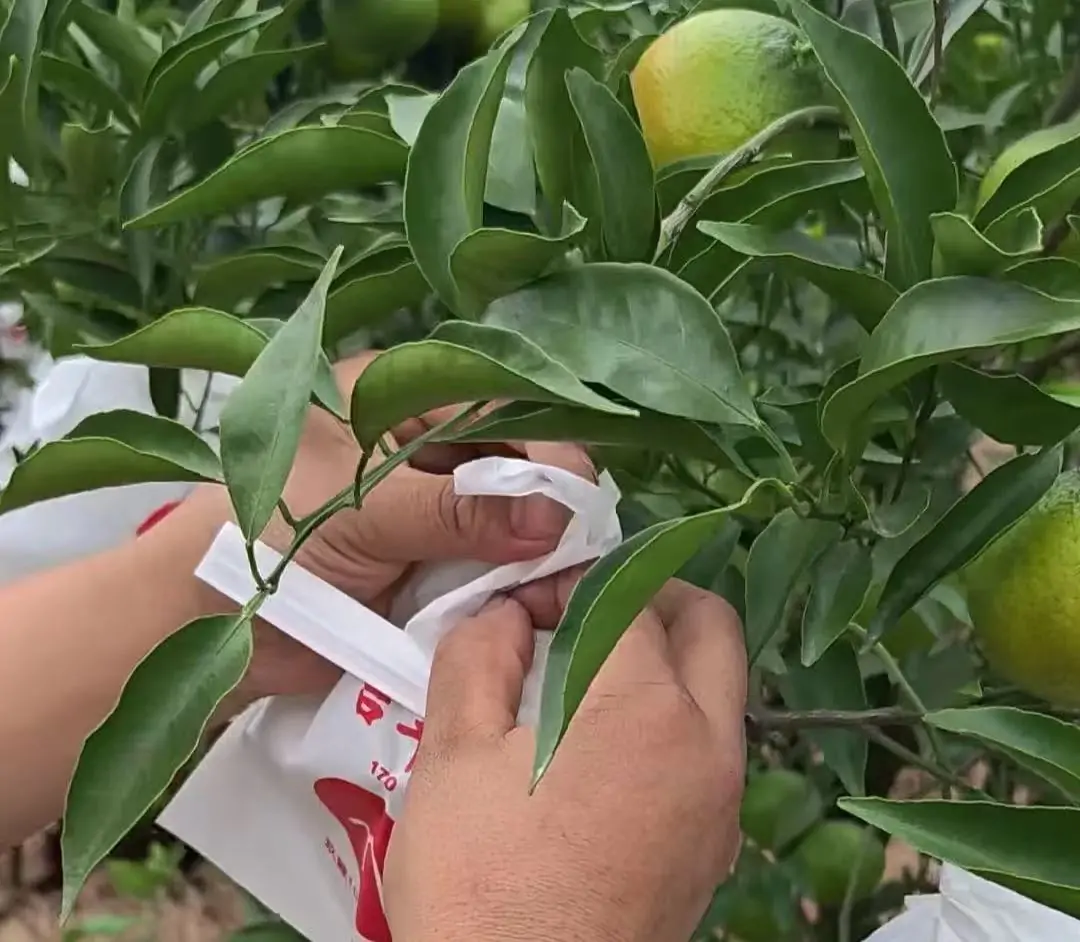
carefully Before bagging, fully open the fruit bag and then place it over the fruit. Avoid scratching or squeezing the peel during the process, especially for fruits at the young fruit stage. The bag should leave enough space for normal fruit expansion, while avoiding excessive internal space that could cause the fruit to shake and rub against the bag.
Step 4: Cover the fruit completely Place the bag over the fruit to ensure it is fully covered. Close the bag opening according to the instructions provided by the bag manufacturer. When securing the bag, make sure it is not easy to fall off, while avoiding damage to the fruit stem and surrounding branches. There should be no large gaps at the bag opening to reduce the chance of pests and debris entering.
Step 4: Cover the fruit completely
Place the bag over the fruit to ensure it is fully covered. Close the bag opening according to the instructions provided by the bag manufacturer. When securing the bag, make sure it is not easy to fall off, while avoiding damage to the fruit stem and surrounding branches. There should be no large gaps at the bag opening to reduce the chance of pests and debris entering.
Step 5: Regularly inspect bagged fruits
After bagging, regularly check the orchard for loose or damaged bags, excessive humidity inside the bags, or fruit diseases. Replace damaged bags promptly. If the bags are found to be too humid or overheated, reassess whether the bag material, breathability, and bagging time are appropriate.
Regular inspections help ensure that fruit bags continue to provide protection throughout the fruit growth process.
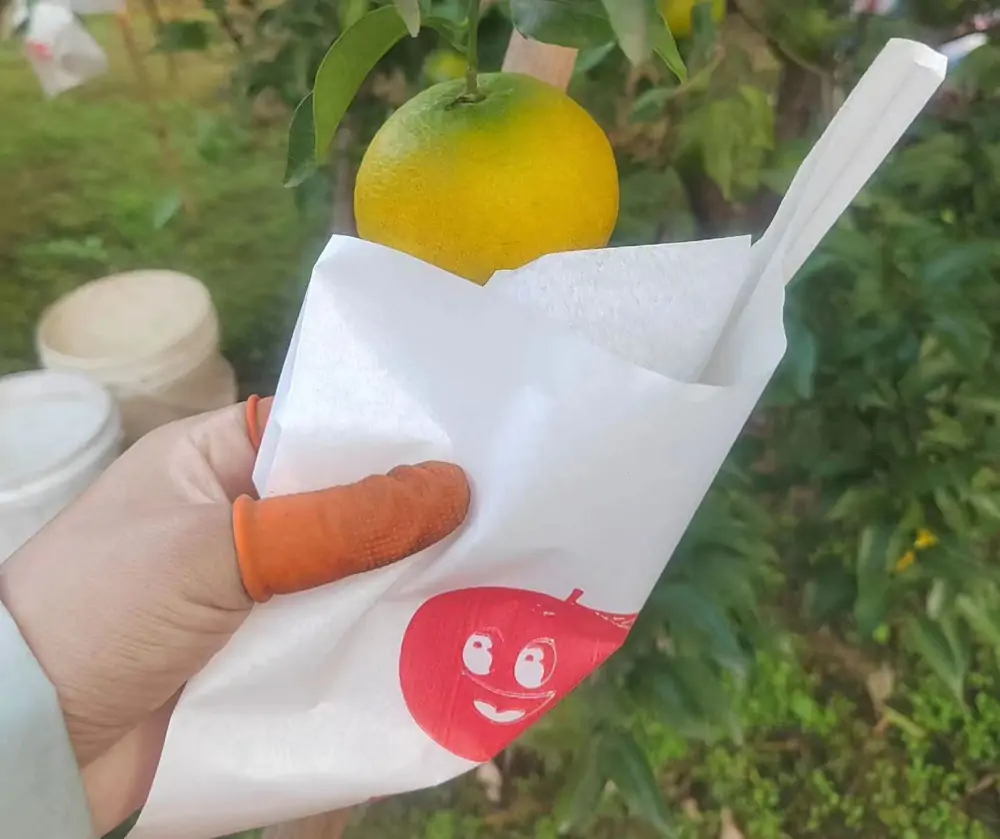
Can fruit bagging increase sweetness and promote color development in citrus?
This is a question frequently raised by citrus growers. Fruit bagging is mainly used to protect the fruit surface. Its effects on sweetness and peel color depend on variety, bag material, light conditions, temperature, and the duration of bagging.
Effects on fruit sweetness Citrus sweetness is mainly related to sugar accumulation in the fruit, while the sugar–acid ratio affects overall flavor. Bagging does not automatically increase sugar content. Fruit maturity, leaf health, crop load, irrigation management, and balanced nutrition are all important factors influencing final sweetness.
Effects on peel color Citrus peel coloration is influenced by temperature, light, variety, and maturity.
Some bagging methods may delay or alter color development by reducing light exposure or changing the temperature around the fruit. For markets that require bright orange fruit, this effect may not always be favorable.
If peel color is a key quality target, it is advisable to conduct small-scale trials before applying bagging across the whole orchard.
Fruit bagging and export quality