Mandarin Orange Cultivation: Mastering the Critical Stages
Key cultivation techniques focus on two primary goals: maximizing fruit size and enhancing fruit quality.Consumers have increasingly noted that mandarins in recent years lack the sweetness and distinct flavor they once had. The popular “Papagan” mandarin (Harumi Mikan), in particular, is often criticized for tasting watery or bland. Even home growers have observed that, unlike in the past, fruit left on the tree until the very end of the season sometimes yields inferior taste compared to earlier harvests—even when cultivation and management practices remain unchanged. What is causing this decline in quality?
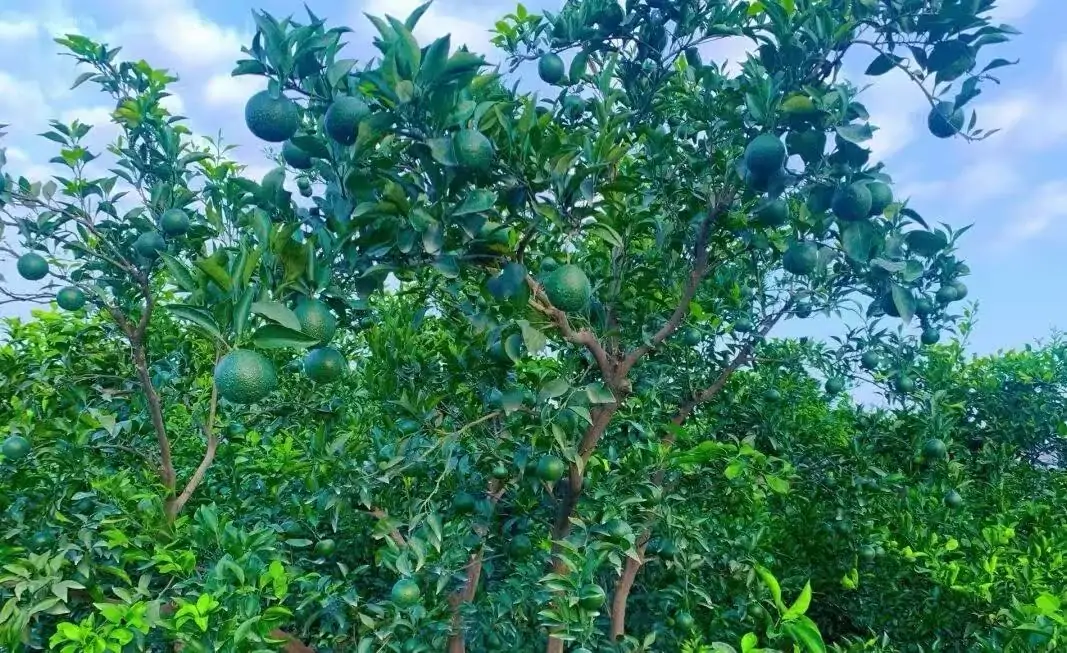
Two Critical Periods for Mandarin orange
Take the “Papagan” mandarin as an example: the fruit’s final size is largely determined between June and August, while its sweetness depends on the period from October to December. Getting the management right during these two windows ensures a harvest of large, sweet fruit.
Regardless of market fluctuations, citrus growers have now reached the first critical juncture of the season.
Experienced growers summarize it this way: two specific periods in the year directly determine the final harvest—one dictates fruit sizing, and the other determines quality and marketability.
If these two “make-or-break” stages are missed, late-season interventions will yield significantly poorer results.
June–August – Managing for Size
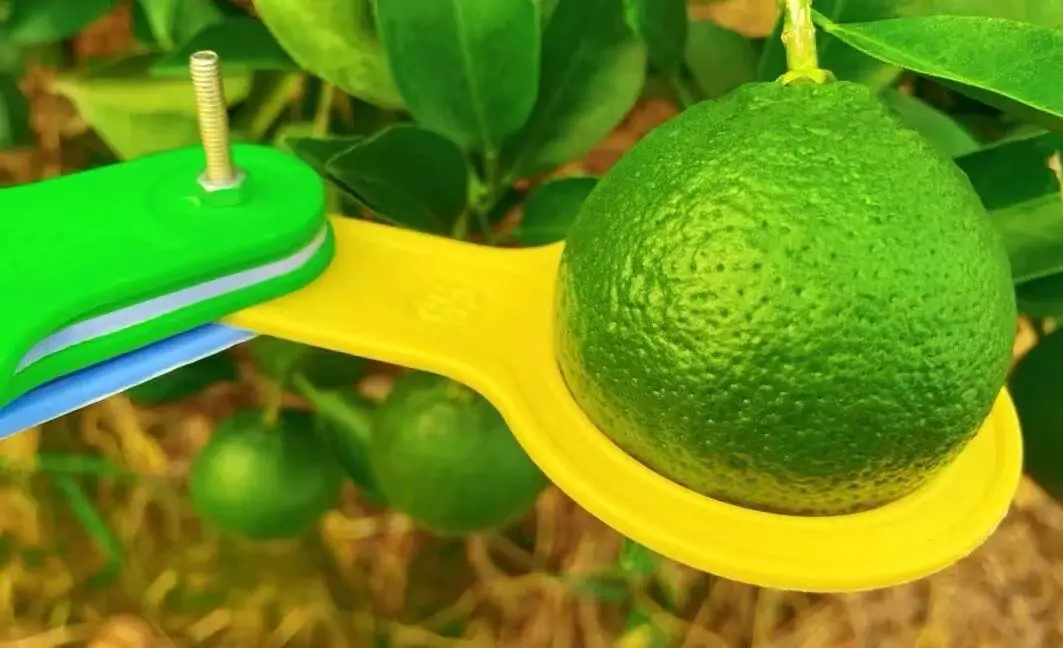
The months of June through August mark the golden period for citrus fruit expansion. This stage directly determines the fruit’s ultimate size and the total yield.
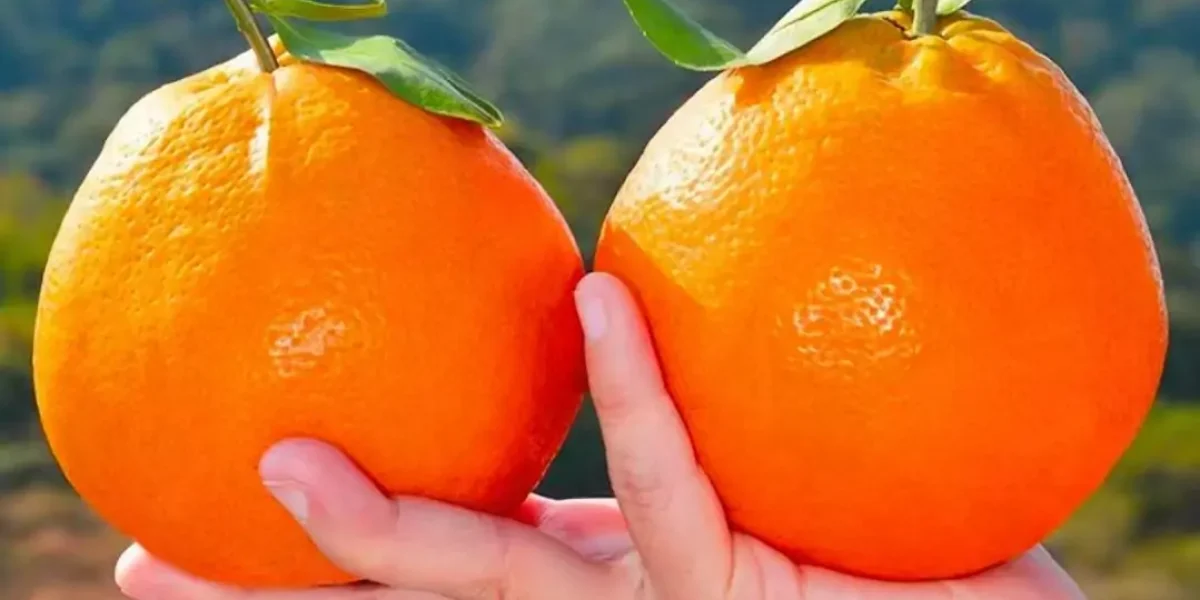
For instance, if young fruit currently measure around 60mm in diameter, proper subsequent management makes it highly likely they will reach the premium standard of over 85mm.
Conversely, if the fruit remains under 50mm at this stage, yields will suffer, and the undersized fruit will struggle to command a good market price, potentially facing outright market rejection.
In short, fruit size is essentially locked in during this phase. If adequate expansion doesn’t occur now, the efficacy of later fertilization or irrigation will be significantly limited.
In short, fruit size is essentially locked in during this phase. If adequate expansion doesn’t occur now, the efficacy of later fertilization or irrigation will be significantly limited.
October–December – Managing “Price” (Quality)
The period from October to December is critical for sugar accumulation in late-maturing varieties like the “Papagan” mandarin. Although the fruit continues to expand during this time, the growth rate slows down significantly.
This stage determines whether the fruit will achieve premium quality and flavor, essential for a premium-grade product.
This stage determines whether the fruit will achieve premium quality and flavor, essential for a premium-grade product.
Taking the Baba mandarin as an example, there are three key benchmarks for high-quality fruit: a well-formed, symmetrical shape; meeting sugar content standards; and attractive coloration.
Shape: Depends largely on the foundation laid during the earlier expansion phase; a solid start ensures a symmetrical shape.Sugar Content: Depends critically on accumulation during October–December; sunlight, temperature fluctuations, and water/fertilizer management are all indispensable.
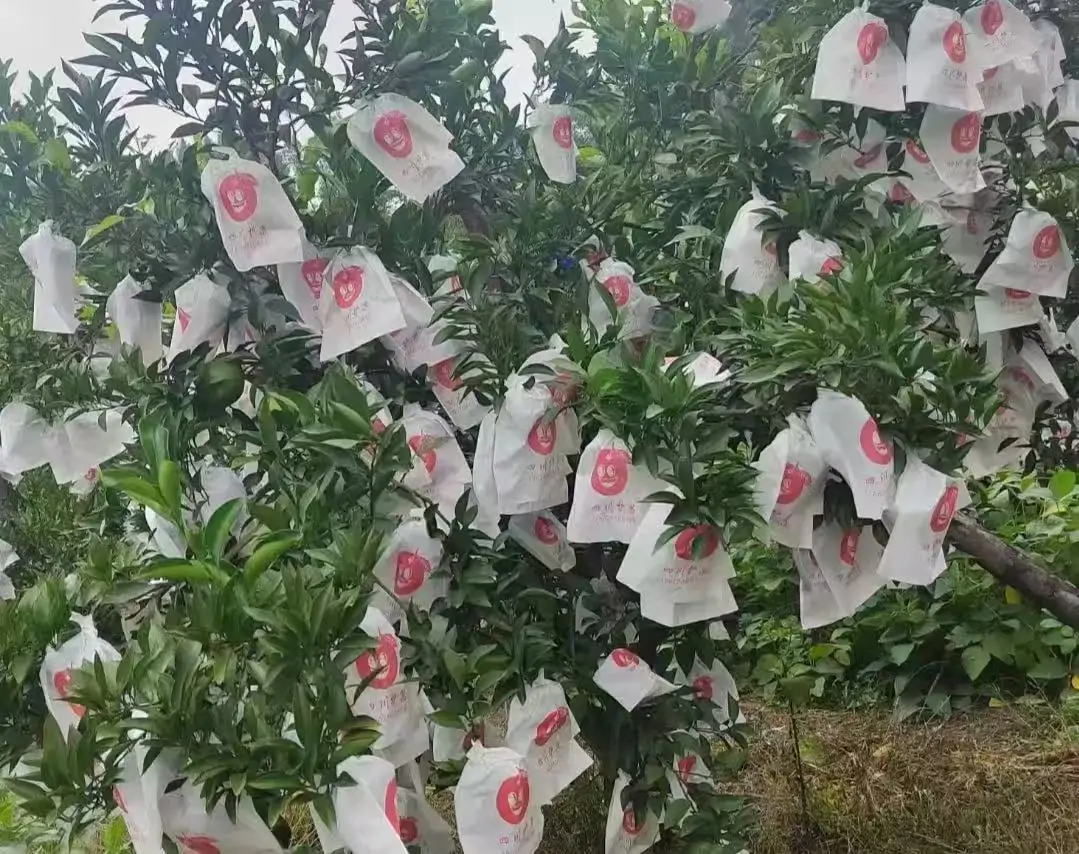
Color: Heavily influenced by human management; measures such as bagging, water control, and supplemental lighting can effectively improve it.
Simply put, the market price ultimately hinges on the internal quality accumulated during these few months.
Weather is the biggest variable
During these two critical periods, extreme high-temperature weather is the greatest threat.
In particular, extreme heat and drought during the expansion phase (June–August) can impair fruit development and cause sunburn, leading to stunted growth or even fruit shrinkage.
During the sugar-accumulation phase (October–December), high temperatures inhibit sugar accumulation. To cope with stress, the tree may draw nutrients back from the fruit, resulting in high acidity and a flat flavor at harvest. This explains why last year’s citrus crop was less sweet in the later stages compared to the earlier ones.
During the sugar-accumulation phase (October–December), high temperatures inhibit sugar accumulation. To cope with stress, the tree may draw nutrients back from the fruit, resulting in high acidity and a flat flavor at harvest. This explains why last year’s citrus crop was less sweet in the later stages compared to the earlier ones.
In contrast, while peel color is the most visible aspect of market appeal, it is also the easiest to improve through management. Conversely, there is little human intervention can do to alter the impact of natural weather; one can only take preventive measures and respond promptly.
What can the farm do?
Since success depends on the weather, management must be meticulous. Here are two practical remedial measures:
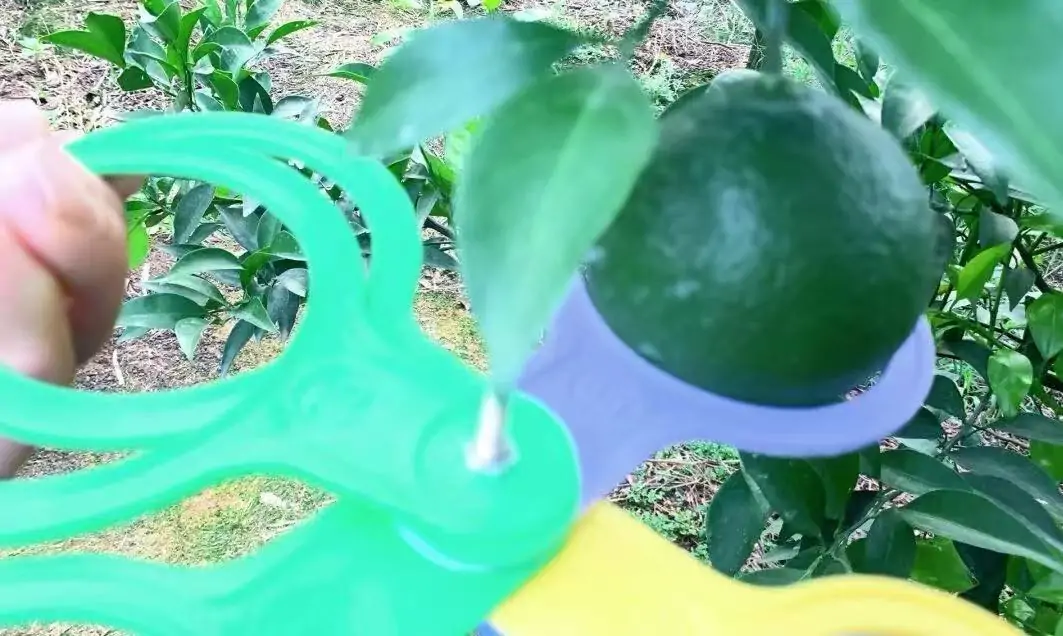
Young fruit expansion phase (June–August): Decisively choose high-nitrogen fertilizer rather than balanced fertilizer. Nitrogen is the driving force behind fruit cell division and expansion; applying high-nitrogen fertilizer during this stage provides the essential “fuel” for fruit growth and is crucial for ensuring fruit firmness later on.Color-changing and sugar-accumulation stage (October–December): Closely monitor soil moisture and irrigate wisely. The goal is not to avoid watering altogether, but to water scientifically. Keeping the soil slightly on the drier side promotes sugar accumulation and coloration, though excessive drought can actually hinder sugar buildup. Irrigation frequency and volume should be flexibly adjusted based on weather conditions and soil moisture to ensure the trees receive adequate water without becoming waterlogged.Last year, many “Papagan” mandarins grown in the hilly regions of Sichuan lacked the flavor quality of those grown on the plains. This was largely due to prolonged drought and water stress during November and December.Ultimately, growing citrus is a race against time and a contest against the weather.
If you can successfully manage these two critical phases—optimizing fruit sizing from June to August and maximizing sugar accumulation from October to December—you’re well on your way to a successful harvest this year.
If you have any additional insights or techniques to share, please feel free to leave a comment!