Analysis Of The 2026 Anyue Lemon Market Situation
Starting from July 2026, Anyue has experienced continuous high temperatures and low rainfall, with high-temperature warnings remaining in effect across many areas. As this period marks the most critical phase of annual fruit development, Anyue’s 480,000 mu (approx. 32,000 hectares) of lemon orchards face a severe test of drought resilience. The drought not only directly affects this year’s lemon yield and fruit quality but will also influence the market price trends for the coming year following the launch of the new harvest in October.
Current Status of Drought Relief Efforts in Anyue
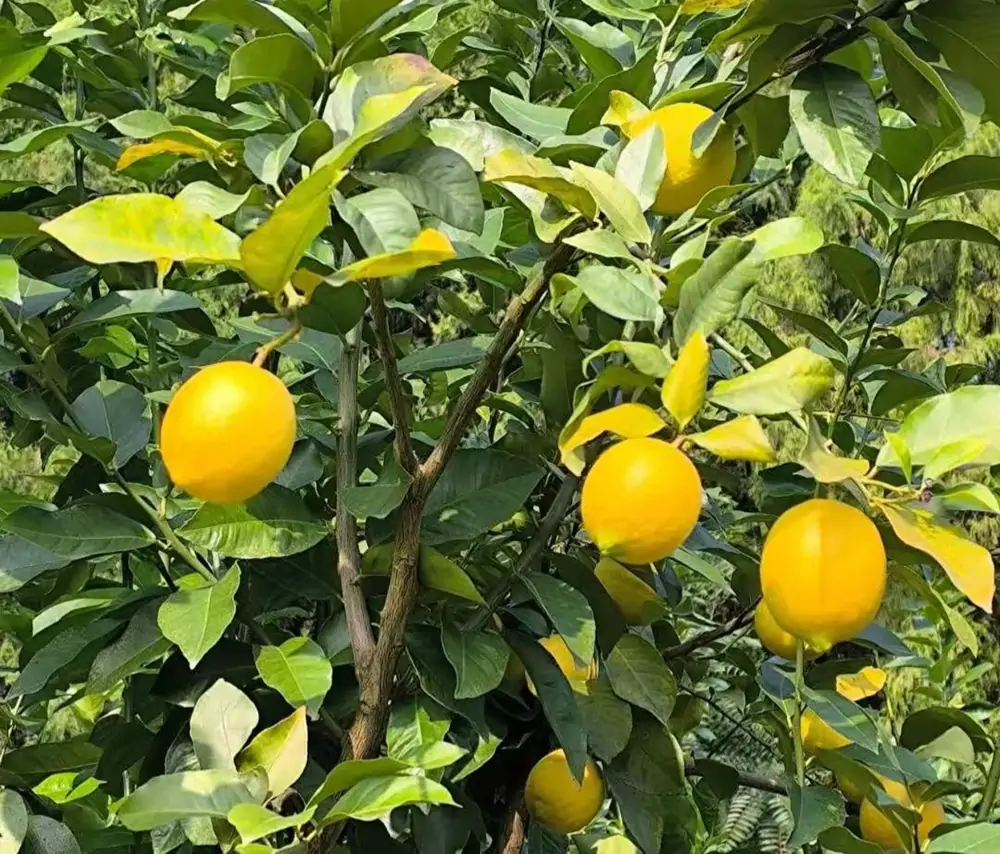
Persistent hot, dry weather has caused rapid surface soil cracking and a critical lack of moisture in orchards. Lemon trees, which have high transpiration rates, are showing widespread leaf wilting and scorched leaf margins; the situation is even more dire for orchards located on slopes, those with shallow topsoil, and those lacking irrigation infrastructure. Prolonged drought threatens to inflict further damage on lemon growth.
1. Fruit Growth Obstruction
Water shortage has slowed down the growth rate of lemoms, resulting in similar fuirt size. Fruit exposed to direct sunlight is suffering from extensive sunscald and the formation of hard patches on the rind, rendering it unfit for the premium market; trees with weaker vigor are experiencing physiological fruit drop. Persistent drought also weakens tree vitality and reduces disease resistance, creating a high risk of pest and disease outbreaks later in the season.
2. Growers’ Full efforts in Drought Relief Self-Help
Large-scale bases rely on drip irrigation and micro-spray facilities, choosing early morning and nighttime low-temperature periods for phased watering. The vast number of scaterred lemon growers are pumping water for irrigation, covering tree disks with straw to retain moisture, and sparying drought-resistant foliar fertilizers to preserve fruits set as much as possible. However, significant challenges remain: water sources are unevenly distributed across the hilly terrain, making it difficult to access water for many hillside orchards; furthermore, drought relief measures have driven up costs for electricity, fuel, and labor, further squeezing profit margins.
3. Emerging Disparities
Orchards with reliable irrigation and proper maintenance are managing to largely preserve both yield and quality. In contrast, orchards lacking water sources or proper care are suffering significant yield losses, with a sharp increase in the proportion of substandard fruit and sun-damaged produce. Government agricultural technical departments are continuously providing guidance to fruit growers in orchards on scientific drought-response measures. They advise against common mistakes—such as watering at midday, indiscriminately applying fertilizer during droughts, or using excessive flood irrigation—prioritizing tree survival and minimizing losses from fruit drop and sunburn.
How drought will affect subsequent lemon market trends
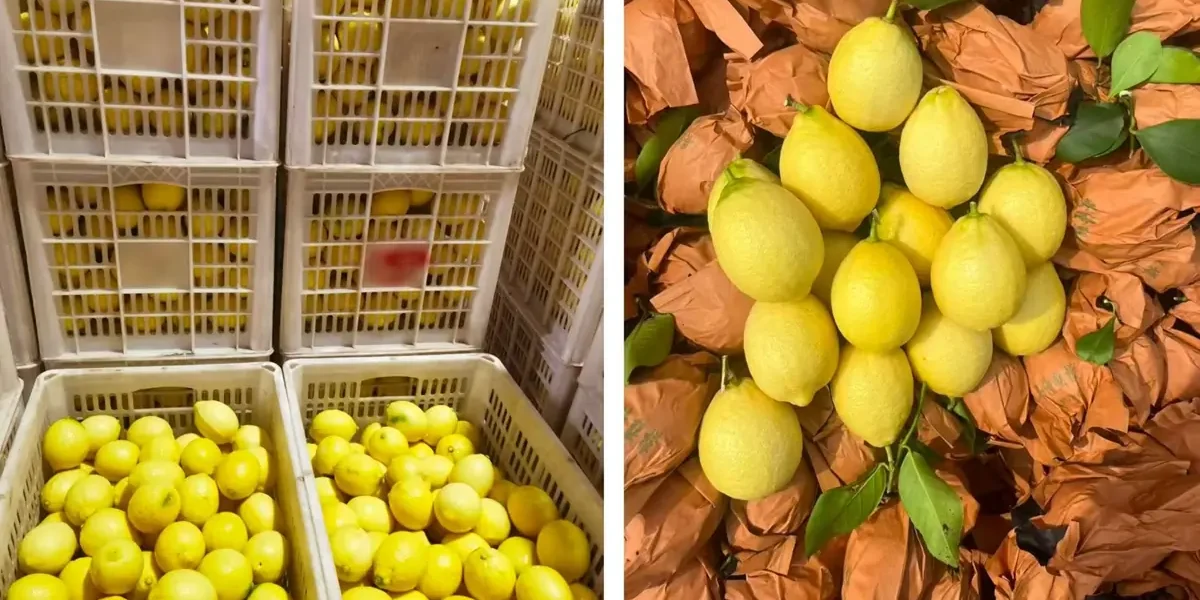
Anyue Eureka lemons are harvested centrally every October, fresh fruit can be stored in cold and sold until the following summer; production levels in this region directly determine the national supply landscape for yellow lemons. Based on the current drought situation, the market outlook for the 2026 season is projected as follows:
1. Changes in yield and quality (Underlying Logic of market Conditions)
• If high temperatures and drought ease shortly and effectiive rain arrives: The overall yield will decrease slightly, with losses concentrated mainly in “secondary” (sub-standard) fruit, keeping total production fluctuations manageable; premium fruit will become scarcer, while pressure on standard-grade fruit prices will remain low.
• If the drought persists until mid-to-late August: Fruit expansion will be stunted across large areas and fruit drop will continue to rise, leading to a significant drop in total annual yield; furthermore, the proportion of high-quality Grade 1 fruit will decrease, while the volume of sunburned, undersized, and deformed fruit will surge.
2. Price forecast for the new fruit listing period (October – January)
① The price gap between premium fruit and ordinary bulk goods will widen.
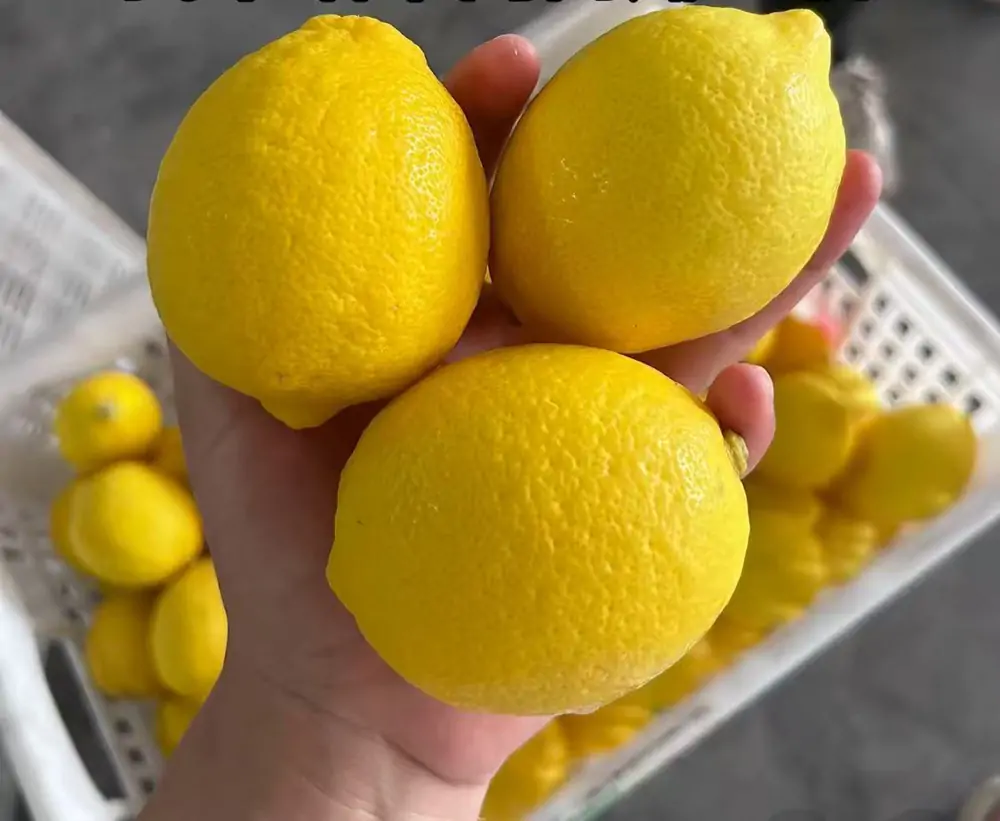
Premium fruit—characterized by flawless skin and standard shape—will be in short supply, likely driving up purchase prices; conversely, large quantities of sunburned secondary fruit will be diverted to processing plants for juice extraction or dried lemon production, commanding lower purchase prices.
Buyers will be stricter with grading standards in the future, with significant price penalties for fruit showing scars or sunburn spots.
② Supply and demand support a favorable price floor
The tea beverage, baking, and food processing sectors provide stable, year-round demand for yellow lemons, while export orders from Southeast and Central Asia continue to grow. Any decline in overall yield will support purchase prices at the source, making it unlikely that we will see the kind of low-price dumping that often follows bumper harvests in previous years.
However, one should not be blindly be bullish: lemon cultivation in Yunnan and Tongnan (Chongqing) will provide a supplementary supply, making a price surge unlikely.
3. Medium-to-long-term outlook (market for cold-stored fruit in the first half of the following year)
After new fruits are harvested and stored, the inventory levels depends on this year’s total yield. If production drops significantly this year—with cold-storage supplies gradually depleted after spring and a gap emerging between old and new crops from May to August of the following year—lemon prices are likely to rise steadily.
Conversely, if drought resistance is effective and the total yield is close to a normal year, the market trend after the new year will remain stable with fluctuations.
Realities and Suggestuins for Growers to Recognize
1. This year, “Yeild Market” gives way to “Quality Market”
Under similar conditions, the price gap between premium fruit and lower-grade fruit will widen further. The core objective of current drought mitigation is to minimize sunburn and preserve the fruit’s visual quality, rather than simply maximizing the number of fruits on the tree.
2. View Price increase expectations rationally, do not blindly hold back sale
Even if the drought causes a drop in production, a continuous, one-sided price surge is unlikely. Growers should grade and sell their fruit reasonably based on quality; large volumes of lower-grade fruit can be channeled to deep-processing enterprises in advance to avoid the low-price competition associated with a market glut.
3. Continuously do a good job in tree preservaion
Short-term drought mitigation aims to safeguard this year’s harvest, protect root systems, and maintain tree vigor—all of which are essential for next year’s flowering and fruit set. Severe drought can cause tree decline, with impacts lasting up to two years.
The drought poses a significant challenge to the hundreds of thousands of lemon growers in Anyue. Currently, the top priority is to implement scientific drought mitigation measures and minimize losses. Future prices will ultimately depend on the duration of the drought, subsequent rainfall, and the overall quality distribution of the fruit. In the long run, as extreme heat becomes the norm, relying on weather-dependent farming carries increasing risk. Only by improving irrigation facilities, standardizing orchard management, grading fruit, and adopting a dual strategy of fresh fruit sales and deep processing can growers steadily navigate annual fluctuations in climate and market fluctuations.