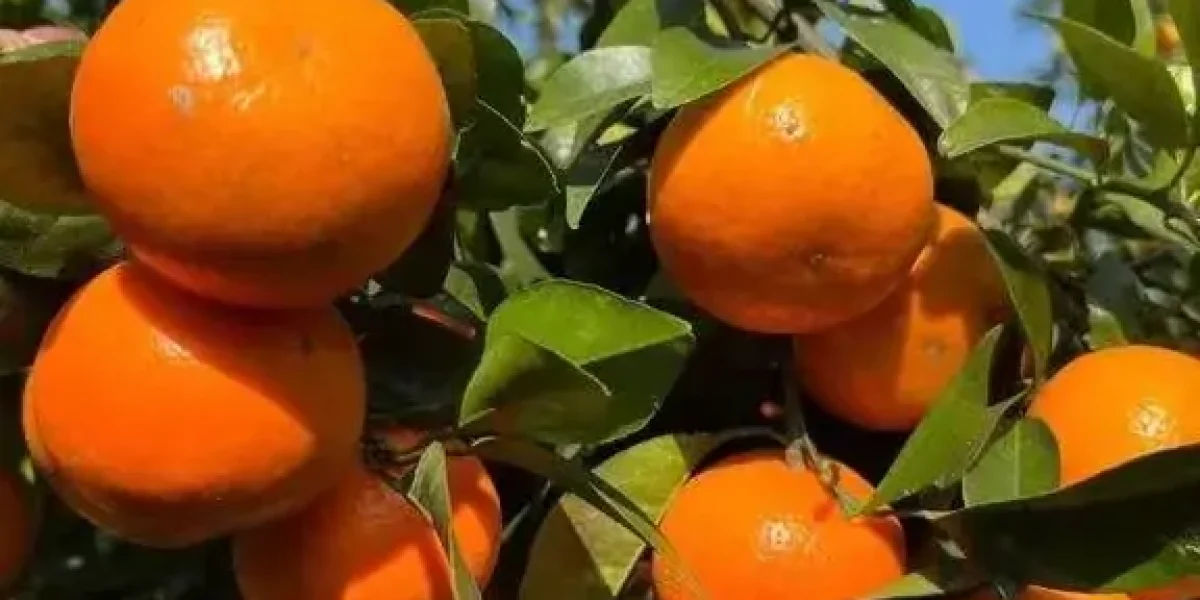
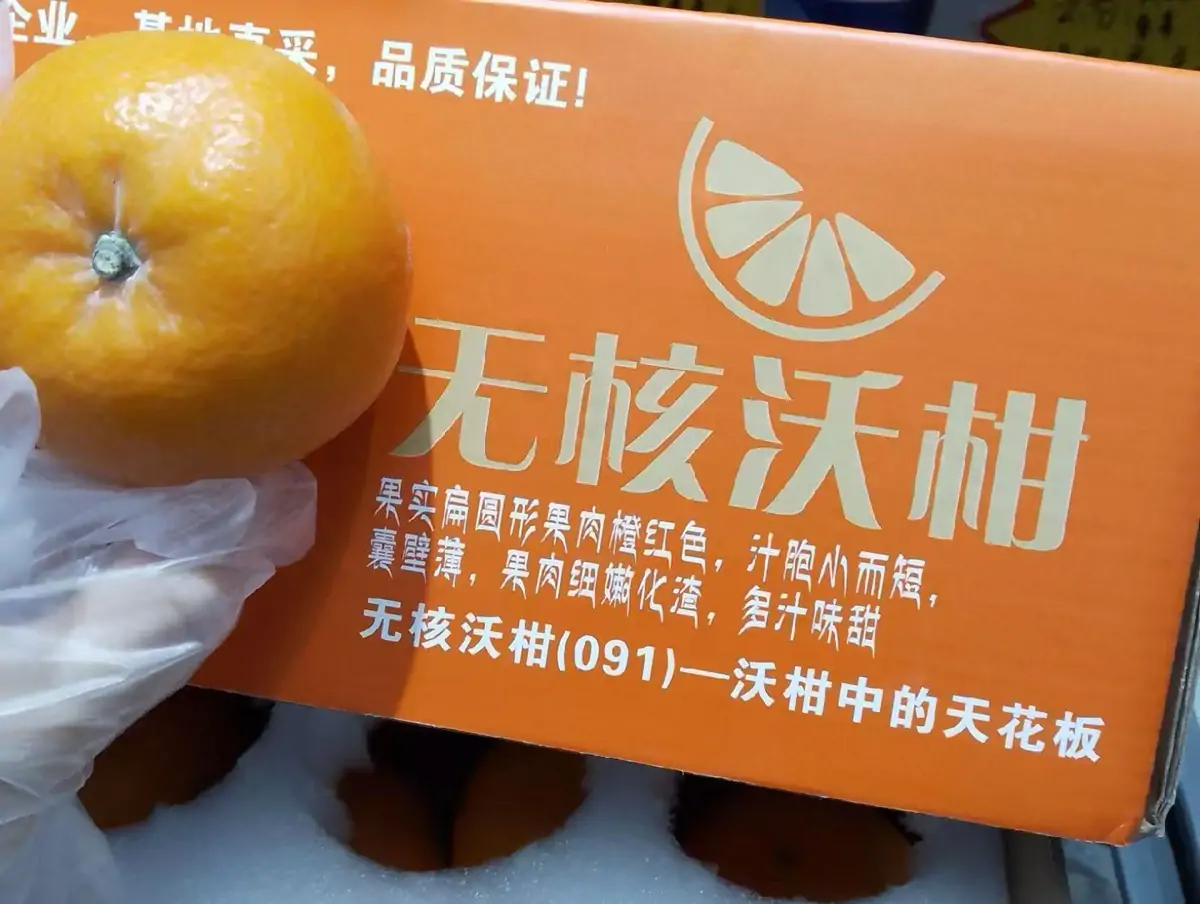
Advantages of the Wogan Mandarin Production Area in Meishan, Sichuan
The “Wogan” mandarin, internationally known as “Orah,”orange is a modern hybrid citrus rather than a traditional mandarin or true orange.As a flagship variety in the citrus industry, the “Wogan” mandarin (orah orange) has achieved remarkable success in the Chinese market. Across the country’s cultivation landscape, Wuming in Guangxi has leveraged scale to gain an edge, while Yuanjiang in Yunnan has captured the market through early-ripening harvests. Meishan in Sichuan has taken a different path: by focusing on late-ripening varieties and staggered harvest timing, it extends the sales season for Wo mandarins well into the following spring. This is not a compromise or a fallback option, but rather a strategy dictated by local climatic conditions—a differentiated approach that expands the overall citrus industry ecosystem.
Why Meishan Produces Exceptional ‘Wogan’ Mandarin
1,Location and Topography
Meishan is located on the middle reaches of the Min River, at the southwestern edge of the Chengdu Plain in the Sichuan Basin. Bordered by Chengdu to the north and Leshan to the south, it lies near the 30°N latitude line—a globally recognized “prime citrus belt.” The local landscape is characterized primarily by low hills and gentle slopes, with most citrus orchards planted on hillsides at elevations between 400 and 600 meters. These sloping sites offer excellent drainage, preventing water from pooling around the root systems—a crucial factor in ensuring the fruit does not lose its flavor due to excessive soil moisture. Furthermore, differences in sunlight exposure across various hillside aspects naturally stagger ripening times within the same area, enabling phased, multi-batch harvesting.
2,Climate
‘Wogan’ mandarins are a late-ripening variety; the fruit remains on the tree throughout the winter, with the harvest season spanning from December to April. Consequently, the core competitive advantage for a production region lies not in how hot its summers are, but in how mild its winters remain. Meishan enjoys a subtropical humid monsoon climate, with an average annual temperature of approximately 17°C and a long frost-free period. Even in January, the average temperature stays above 6°C, and extreme cold events are rare. This allows the fruit to safely overwinter on the trees without the need for the anti-freeze sprays—such as fruit-preservation agents—often required in other growing regions.
Due to the frequent cloud cover and limited annual sunshine hours in the Sichuan Basin, sugar accumulation in the fruit occurs more slowly than in regions with more intense light and heat, such as southern Guangxi or southern Yunnan. This is the fundamental reason why Meishan-grown ‘Wo’ mandarins ripen later and have a slightly lower peak sugar content. However, the moderate sunlight allows for a more gradual breakdown of organic acids, resulting in a well-balanced flavor profile with a fresh, vibrant character—rather than a one-dimensional sugary taste. This distinctive balance of sweetness and acidity has become a defining feature of Meishan ‘Wo’ mandarins, making them particularly appealing to mid-to-high-end market channels that value nuanced flavor profiles.
3,Soil and Water Resources
The hilly regions of Meishan are characterized by extensive “purple soil”—derived from the weathering of purple sandstone and shale. This soil is relatively deep, typically with a pH value between 5.5 and 7, and is rich in phosphorus, potassium, and various trace elements—an ideal environment for the cultivation of citrus fruits. The area is crisscrossed by the Min and Qingyi river systems, ensuring a stable water supply for irrigation, while the hilly terrain prevents waterlogging during the rainy season. The combination of favorable climate, soil, and water resources provides the physical foundation that allows Meishan’s “Wogan” (a variety of mandarin orange) to achieve stable yields, remain on the tree for extended periods, and develop a rich, distinctive flavor profile.
4, Cultivation Scale
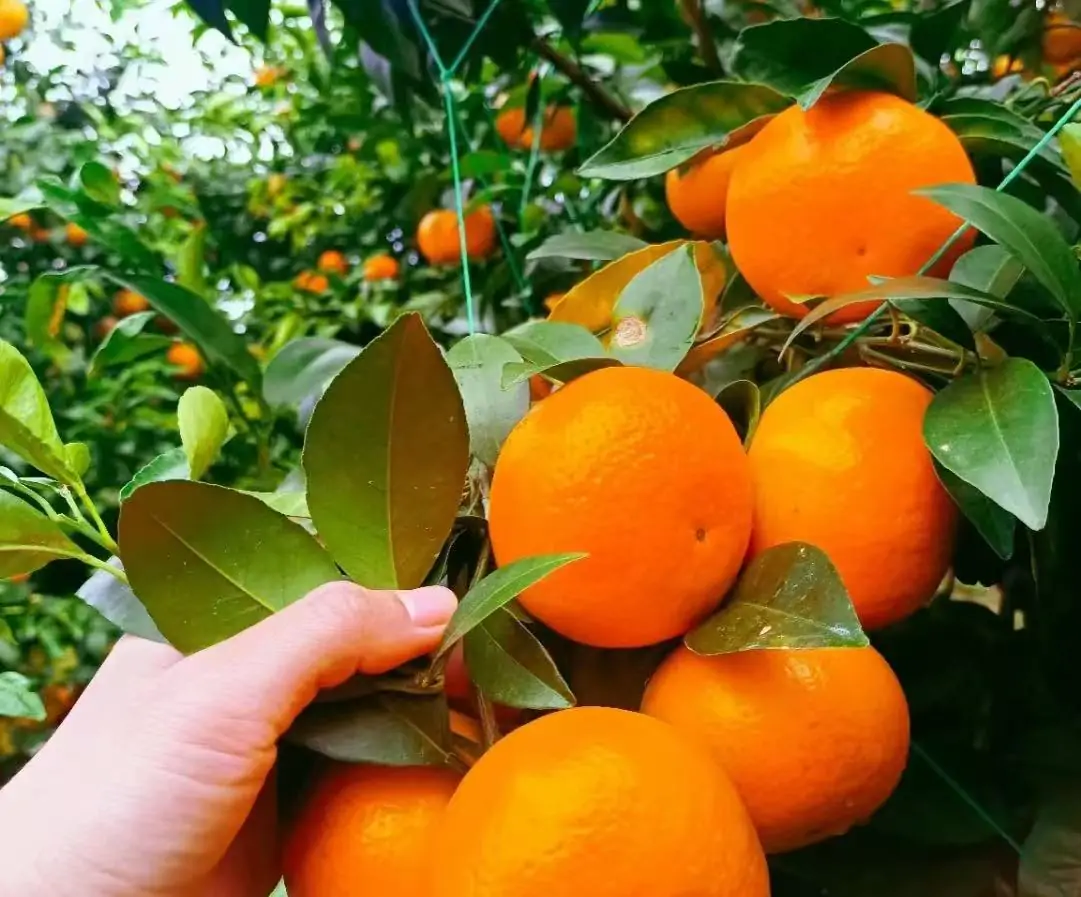
While natural conditions serve merely as an entry ticket, what truly grants Meishan’s *Wogan* (a variety of mandarin orange) a competitive regional advantage is a mature industrial ecosystem. In 2019, Meishan was designated by nine national ministries and commissions—including the Ministry of Agriculture and Rural Affairs, the National Development and Reform Commission, and the Ministry of Finance—as a “National Characteristic Agricultural Product Advantage Area for Late-Ripening Citrus.” By 2025, the city’s late-ripening citrus cultivation area had reached 1.06 million mu (about 70,667 hectares), with an annual output of 2.16 million tons and a production value of 12.6 billion yuan. These figures indicate that Meishan’s citrus production is not fragmented but rather organized into an industrial belt capable of stable, consistent supply. In Dongpo District, 419,000 *mu* are dedicated to standardized citrus cultivation, earning it the title “Home of Late-Ripening Citrus in China”; within this district, Duoyue Town alone accounts for 64,000 *mu* of citrus—primarily late-ripening varieties like *Aiyuan* and *Wogan*—yielding 130,000 tons annually. Danleng County, with 180,000 *mu* of citrus, is projected to reach an annual output of 300,000 tons by 2026. Meishan’s citrus industry follows a strategic approach: “avoiding early-season competition with the ‘Two Hu’ regions (Hubei and Hunan) and mid-season competition with Southern Jiangxi.” Qingshen County, home to 130,000 *mu* of late-ripening citrus, stands as the only county in Sichuan Province designated as a pilot zone for region-wide citrus export registration. Renshou and Pengshan counties are also significant production hubs. This city-wide layout—characterized by widespread cultivation combined with strategic, non-overlapping positioning across individual districts and counties—ensures that Meishan maintains a reliable and sustained supply of *Wogan* oranges.
5, Varietal Characteristics
Meishan is not a region defined by a single citrus variety; rather, it utilizes a comprehensive suite of late-ripening varieties to extend the supply season from October through May of the following year. Within this timeline, the
‘Wogan’ mandarin (orah orange) plays a unique role: while it is not the most widely planted variety in Meishan—a distinction held by the ‘Aiyuan Orang’, ‘Papa Gan’, and ‘Shiranuhi’ (Dekopon) varieties—it serves as a “structurally complementary” variety. It follows the ‘Chunjian’ harvest and overlaps with the ‘Shiranuhi’ season, extending market availability into April. Furthermore, its firm rind and excellent storability and transportability make it well-suited for long-distance distribution and export. For buyers, the ‘Wo’ mandarin offers a reliable supply during the gap between the Spring Festival and the Qingming Festival; for growers, it serves as a strategic asset for diversifying their crop portfolio and mitigating the price risks associated with relying on a single variety. Sichuan was among the earliest regions in China to trial ‘Wo’ mandarins. The variety was introduced to China by the Citrus Research Institute of the Chinese Academy of Agricultural Sciences in 2004, and after initial fruiting in Chongqing in 2007, trial materials were distributed to areas including Anyue in Sichuan for experimental planting. This early introduction has given Sichuan’s late-ripening citrus sector, including Meishan, nearly two decades of accumulated cultivation experience.
6, Staggered Market Entry
The harvest and market-entry periods for *Wogan* (a variety of mandarin orange) vary across China. In the hot, dry river valleys of Yuanjiang, Yunnan, ‘Wogan’ mandarins begin to reach the market from late November through December. In Wuming, Guangxi, the season begins in late December and extends into early April of the following year, while in Sichuan, the peak harvest occurs in January, with picking continuing through April. *Wogan* from Meishan, Sichuan, enters the market half a month to a month later than the primary harvest in Guangxi. This timing is strategic: it falls precisely in the gap after the consumption surge of the Spring Festival, but before the arrival of spring and summer fruits.
This market-entry window is made possible by a technique known as “on-tree preservation.” Through methods such as protective film covering (to guard against cold), the regulation of water and nitrogen levels, foliar fertilization, and precise pest and disease control, the fruit can remain on the tree for an additional one to three months without dropping or softening. This technique has been employed in Danleng for two decades and has since been adopted across various production areas in Meishan. Its significance extends beyond merely extending the harvest season; the real challenge lies in precision. The timing of film application and removal, the intensity of water regulation, and the provision of nutrients must all be adjusted according to weather conditions. Removing the film too early risks frost damage, while removing it too late can cause the fruit to spoil due to excessive heat and humidity—a nuance that makes “on-tree preservation” a deceptively simple practice with a high technical threshold.
Technology and Sales
1, Increased Government Investment in Scientific Research
The competitive edge of a production region ultimately rests on its technological capability. Meishan’s strengths in this area can be examined across four dimensions.
First, scientific research platforms. Renshou County is home to the 400-mu (approx. 26.7-hectare) Sichuan Late-Ripening Citrus Research Institute, which houses facilities for new variety breeding, demonstration of new technologies, R&D for primary processing, and professional training. Furthermore, the city has collaborated with the Citrus Research Institute (under the Chinese Academy of Agricultural Sciences), the Sichuan Academy of Agricultural Sciences, and Sichuan Agricultural University to establish “expert hubs” and “agri-tech stations.”
Second, the breeding and propagation of superior varieties. Dongpo District features a 160-mu mother-tree orchard and a 350-mu propagation center, supplemented by six variety-comparison orchards—covering over 300 mu—across the primary citrus-producing counties. The city has independently bred five varieties officially certified by the province, including “Daya,” “Jinle,” and “Xiaya” citrus, while also introducing 157 new varieties. This ensures that Meishan’s varietal renewal does not depend on external seedling sources, keeping the germplasm supply under local control.
Third, cultivation and management. Practices such as integrated water-and-fertilizer management, cover cropping, and top-grafting (re-grafting) have become standard procedures in the renovation of older orchards. These are supported by a “green” pest and disease control system—utilizing yellow sticky traps, pheromone lures, and biological pesticides—aimed at keeping pesticide residues well within the limits required for export.
Fourth, digitalization. Danleng County has established a big-data center for late-ripening citrus, while Dongpo, Renshou, and Qingshen counties are piloting “smart orchard” systems. Across the city, a unified, map-based management system for citrus cultivation is being implemented. For buyers, this infrastructure translates into fully traceable batch information—offering far more substance than a simple claim of “shipped directly from the origin.”
2, Factory Processing and Packaging
For Wogan mandarins, the price is largely determined post-harvest. Even for fruit from the same orchard, the price can vary by more than 30% depending on whether or not it has gone through a professional sorting line. Power Link Fruit Co. Ltd. operates a processing facility with an annual primary processing capacity of over 500,000 tons and 120,000 cubic meters of cold storage space. The facility’s standard operational workflow includes post-harvest pre-cooling, washing and waxing, non-destructive sorting based on sugar content and fruit diameter, grading and packaging, temporary cold storage, and cold-chain distribution. Wogan mandarins can be stored at 5–8°C with a relative humidity of 95% for up to 30 days while retaining their original flavor—a capability that provides the physical foundation necessary for long-distance transport and staggered market sales. For e-commerce platforms and supermarket chains, sourcing from suppliers that can handle sorting and cold-chain logistics at origin helps reduce return and spoilage rates.
3,Location and Logistics
Meishan is situated approximately 60 to 80 kilometers from downtown Chengdu. The Chengdu-Leshan Expressway and the Chengdu-Kunming Railway run through the area, and both Chengdu Shuangliu International Airport and Chengdu Tianfu International Airport are within a two-hour drive. For “Wo” mandarins (a popular variety of citrus), this strategic location offers two key advantages: first, it provides rapid access to a massive consumer market; second, it offers seamless connectivity to air and rail transport hubs. Consequently, the export market for Meishan citrus has expanded from Southeast Asian nations—such as Malaysia, Singapore, the Philippines, and Indonesia—to include Belarus, Qatar, the United States, and various European countries, now spanning 15 nations and regions. For international buyers seeking a stable supply, Power Link Fruit Co Ltd offers the assurance of registered orchards and packing facilities, ensuring a smooth export process. Domestically, cold-chain shipments from Meishan to major hubs such as Beijing, Shanghai, and Guangzhou typically arrive within 30 to 40 hours. When combined with pre-cooling at origin, this cold-chain infrastructure helps maintain fruit quality for both domestic distribution and export supply.
Brand and Certification
“Meishan Chunju” (Meishan Spring Citrus) is a regional public brand for late-ripening citrus grown in Meishan. In March 2021, it was officially registered as a national geographical indication certification trademark. The production area encompasses Dongpo District, Pengshan District, Renshou County, Danleng County, and Qingshen County. The varieties covered include Aiyuan, Papagan (Dekopon/Shiranuhi), Chunjian, Shiranuhi (Dekopon), Ganping, Dayagan, and Wogan. As of January 2026, 27 enterprises have been authorized to use this trademark, covering a cultivation area of 138,000 mu (approx. 9,200 hectares) with an output value of 2.197 billion RMB. The brand has also been recognized as one of China’s top 100 iconic agricultural product brands for three consecutive years.
The brand is supported by a comprehensive framework: the “Meishan Chunju Group Standards,” released in 2020, establish specifications for classification, technical requirements, inspection protocols, and packaging, storage, and transportation. In core production areas, a “one-item, one-code” traceability system has been implemented. Furthermore, citrus products from Danleng County have consistently ranked among China’s top 100 regional brands, with a brand value reaching 4.435 billion RMB. For buyers, the practical value of these mechanisms lies in their ability to verify origin, variety, grade, and pesticide residue levels—moving beyond reliance on suppliers’ verbal assurances alone.
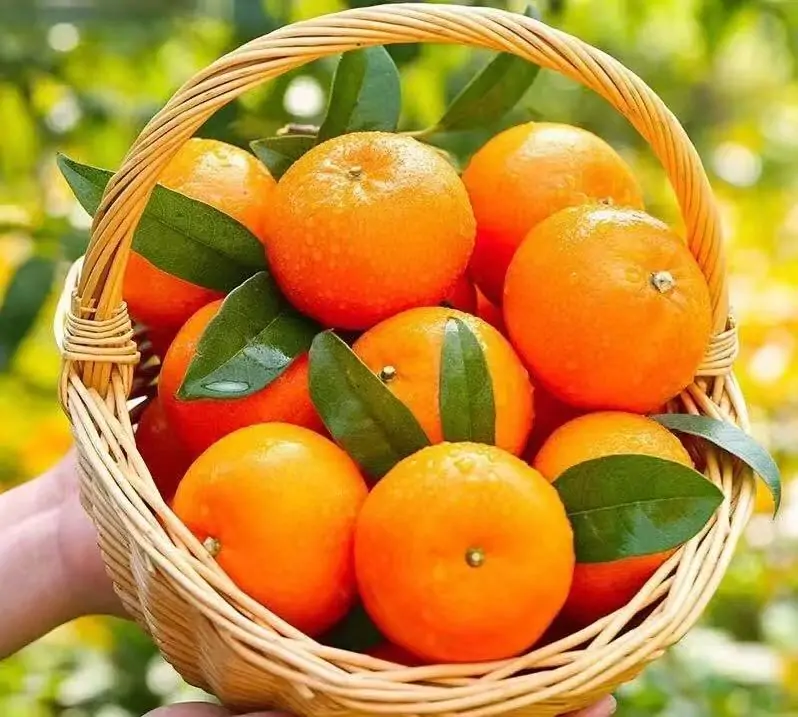
The competitive advantage of Meishan’s wogan mandarins does not lie in them being “sweeter than those from Guangxi”; rather, it lies in the ability to “deliver fruit to those who need it—at the right time and with consistent, controllable quality.” The mild sunlight at 30° North latitude allows for a late-ripening harvest, while a 1.06-million-mu production belt ensures a stable supply. Through a robust system of high-quality seedling propagation, on-tree preservation, automated sorting, cold-chain logistics, and geographical indication status, this potential is transformed into a verifiable, market-ready product. For buyers, this represents a low-cost supply chain; for growers, it signifies a long-term commitment centered on quality.