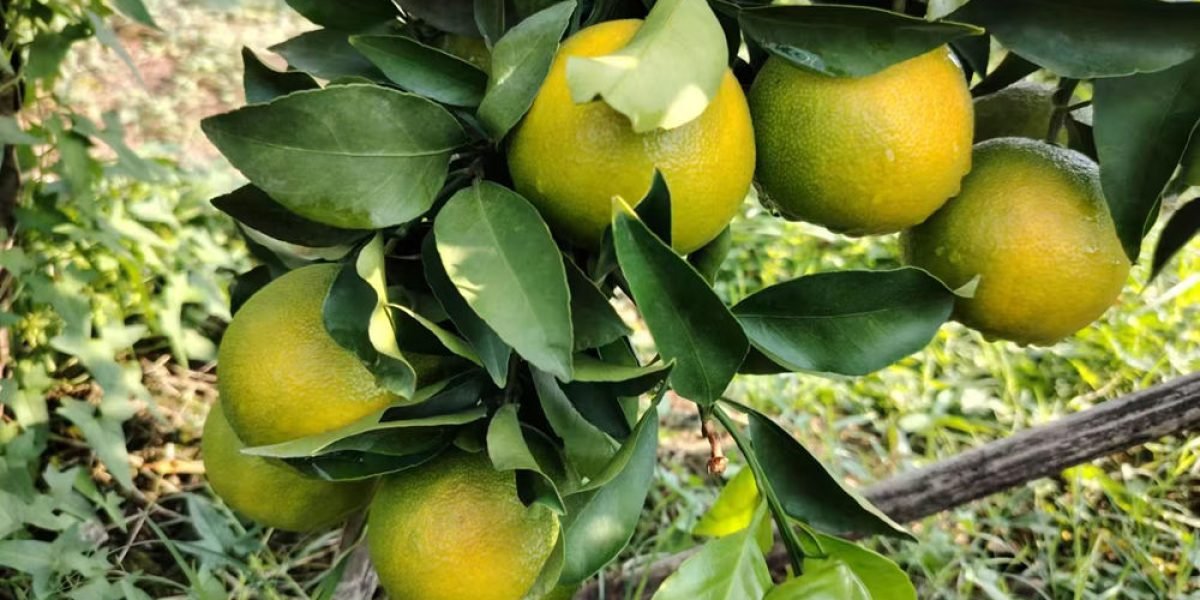
For Fruit importers, wholesalers and fresh fruit distributors, citrus quality is determined by much more than appearance.A high-quality citrus fruit should have:Attractive natural color,Good sweetness,Balanced acidity,Appropriate fruit size,High juice content,Firm and healthy skin,Good eating quality,Suitable shelf life.For citrus growers, achieving these characteristics requires careful orchard management throughout the growing season.Citrus fruit coloring and sweetening are particularly important during the final stages of fruit development. However, there is no single fertilizer or agricultural product that can automatically make citrus fruit sweeter and more colorful.Instead, fruit quality is influenced by a combination of cultivar genetics, sunlight, temperature, irrigation, crop load, nutrition, canopy management and fruit maturity.
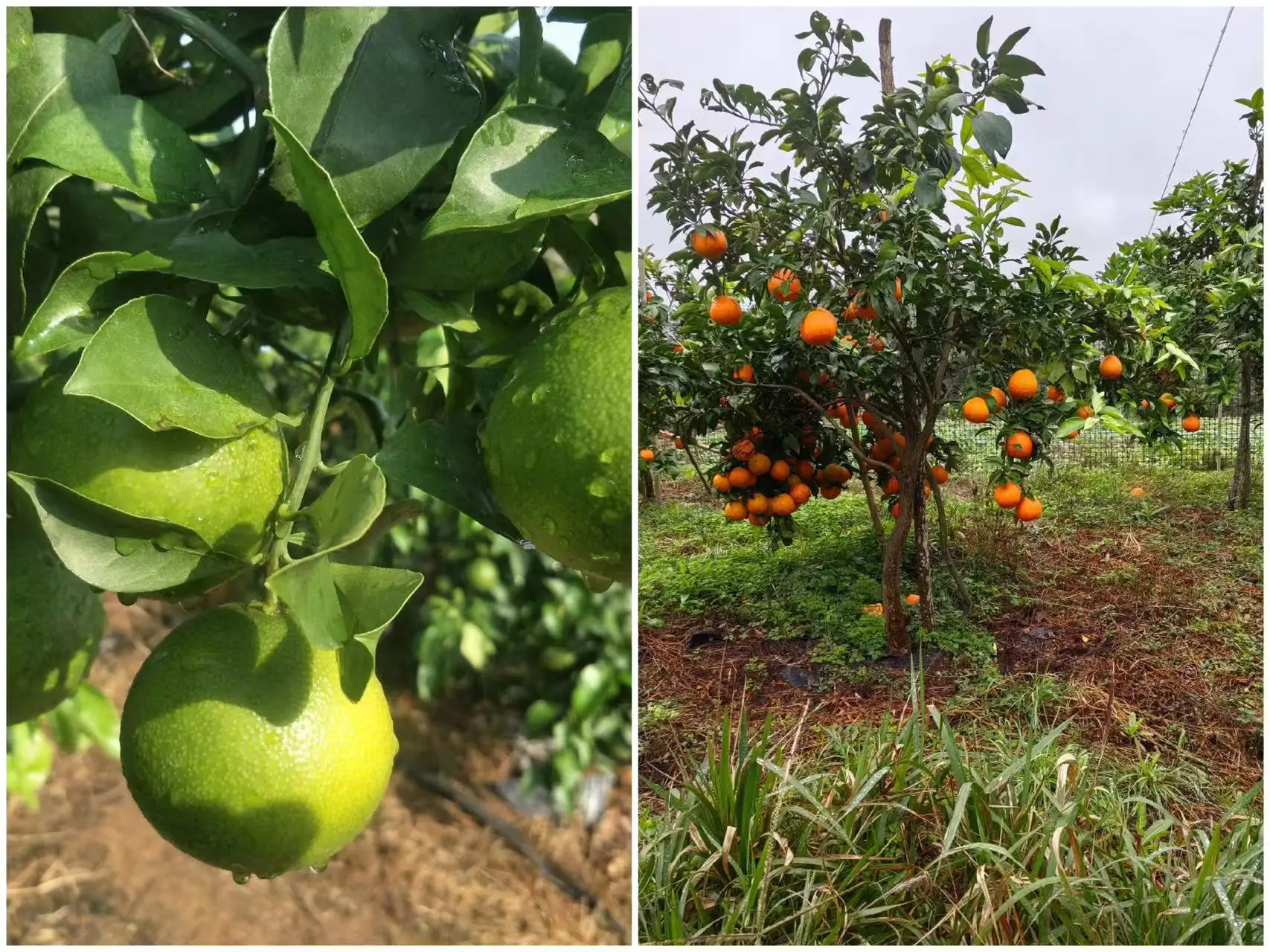
During the ripening of citrus fruits, a series of subtle physiological changes occur. This is a critical stage of transformation, specifically the color-changing and sweetening phase.
The coloration of citrus fruit directly affects its marketability and final price; beautifully colored fruit is more appealing and commands a premium.
Visually, the fruit transitions from green to ripe hues such as yellow, orange, or red. This is the most direct indicator of ripeness.
The color change in citrus peel is primarily driven by the degradation of chlorophyll and the accumulation of carotenoids. Since these pigments are metabolic products of sugars, higher sugar content generally leads to more pronounced coloring.
The Principle of Citrus Coloring
1: The Relationship Between Pigments and Fruit Color
Citrus pigments mainly consist of three types: chlorophyll, carotenoids, and anthocyanins.
Chlorophyll is the reason why young fruit appears green.
Carotenoids, which are yellow to red, are the pigments that cause citrus to change to ripe colors such as orange-yellow and red.
Anthocyanins are a ubiquitous pigment, responsible for the vibrant colors of grapes, cherries, apples, peaches, and more.
2:The Internal Reasons for Fruit Color Change and Ripening
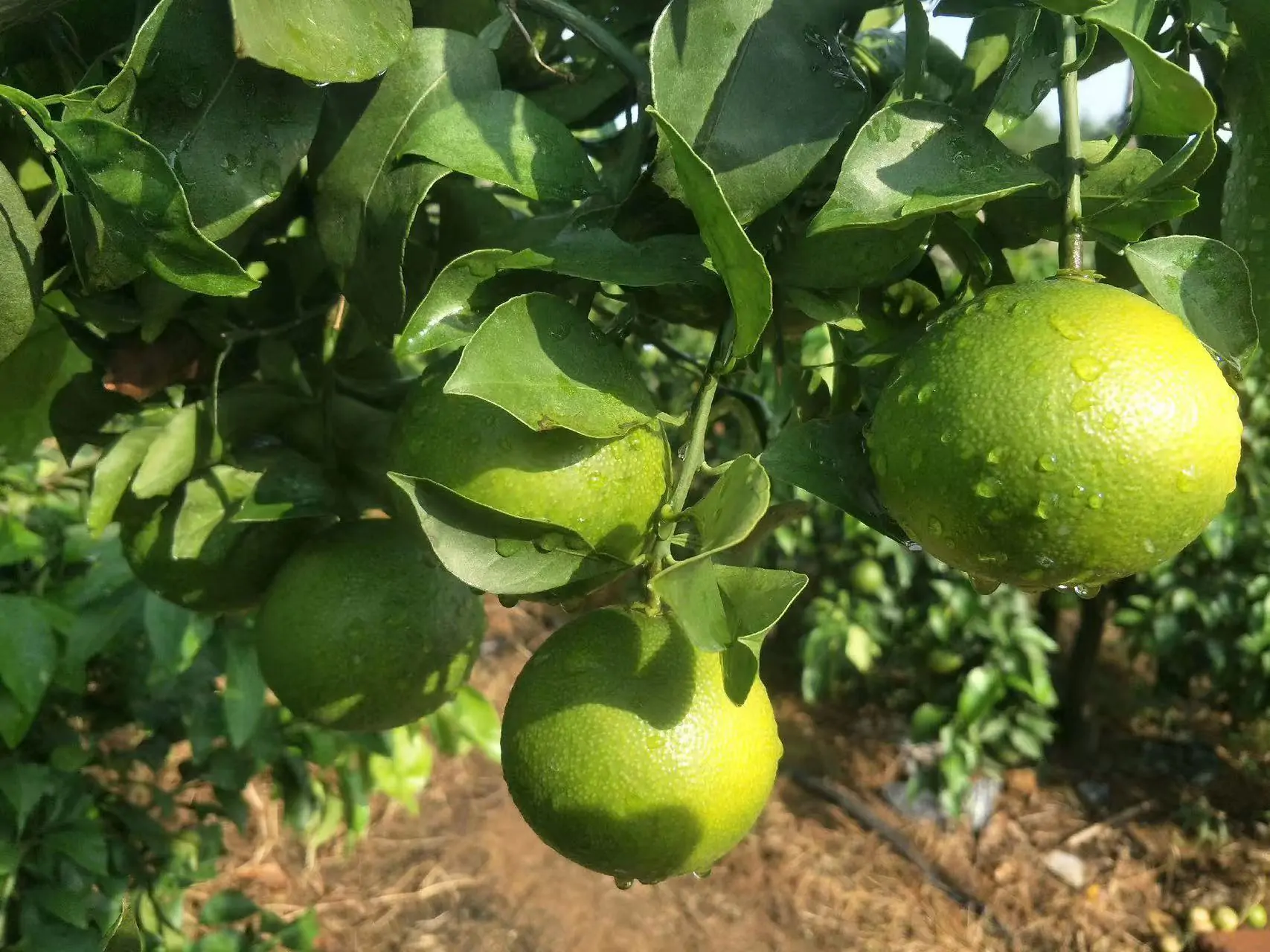
As citrus fruits ripen, chlorophyll gradually breaks down, revealing the underlying base color. Concurrently, inherent ripening pigments (orange-yellow, red, etc.) accumulate. This dual process is the internal driver of color change in citrus fruits.
Factors Affecting Citrus Color Change
Citrus coloration is influenced by a combination of internal and external factors.
1 Internal Factors
Internal factors mainly include sugar accumulation, nutrient elements, and hormone effects.
① Sugar Accumulation: Sugar is the precursor for pigment synthesis. Higher sugar content promotes the accumulation of carotenoids, leading to more intense peel coloration.
② Nutrient Elements: These also affect fruit coloring. For example, nitrogen promotes vegetative growth and reduces sugar transfer into the fruit. The more nitrogen, the worse the coloring. Phosphorus affects fruit coloring by influencing photosynthesis. Therefore, during the coloring period, nitrogen fertilizer should be applied less, and phosphorus and potassium fertilizers should be applied more.
2 External Factors
External factors mainly refer to: light, temperature, and water.
①Light: Adequate sunlight boosts photosynthesis and sugar accumulation. Fruits on the outer canopy typically color better than those shaded in the inner tree.
② Temperature and Moisture: Moderate temperatures and appropriate water management are essential for optimal pigment development.
Factors Affecting Fruit Sugar Content
(1) Nutrients: First, nitrogen affects fruit quality, but excessive nitrogen application leads to poor peel coloring and delayed ripening. The content of various micronutrients, such as phosphorus, potassium, and magnesium, also has an impact; therefore, attention should be paid to micronutrient supplementation.
(2) Sunlight: Sufficient sunlight allows for smooth photosynthesis, nutrient accumulation, and promotes fruit sweetness. The period from August to November has the greatest impact on the sweetness of citrus fruits.
(3) Temperature and Acid Degradation:
Sweetness is not just about sugar; it is about the balance with acids (citric, malic, and tartaric).
Diurnal Temperature Variation: Large differences between day and night temperatures are beneficial. Warm days promote sugar production, while cool nights reduce respiration rates, preserving sugars and accelerating the degradation of organic acids.
Acid Metabolism: Citrus acidity is primarily due to citric acid. The respiration and degradation of citric acid are highly temperature-dependent. Cooler autumn and winter temperatures facilitate acid breakdown, thereby increasing the sugar-acid ratio and improving perceived sweetness.
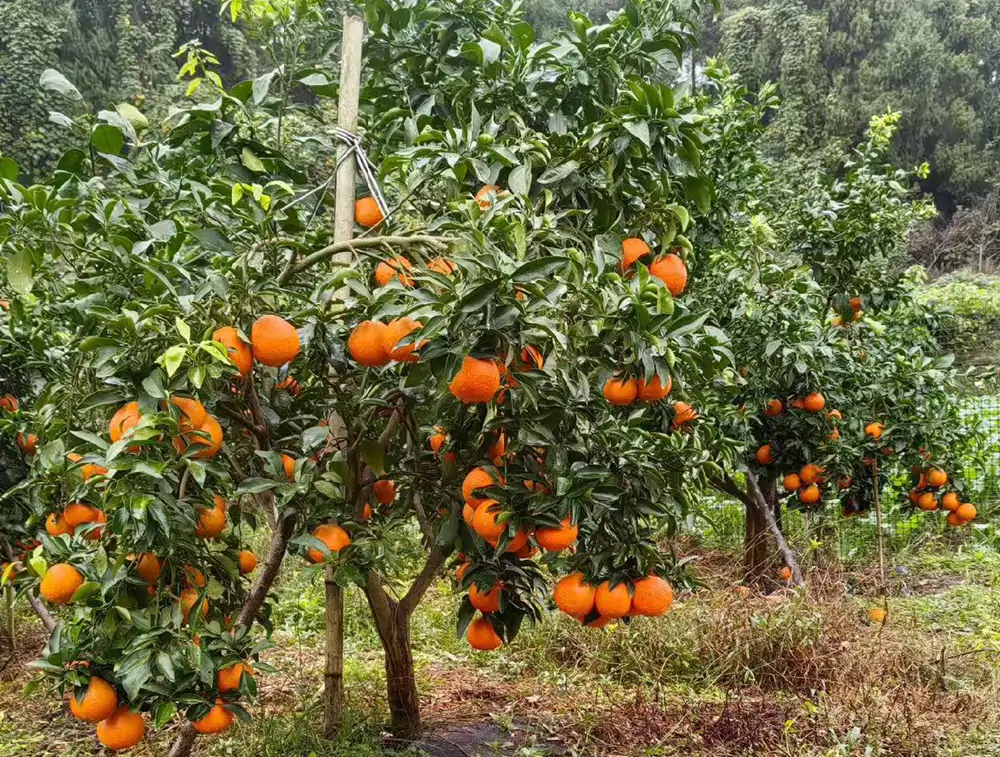
Fruit Thinning and Citrus Sweetness
Fruit thinning is an important management practice for certain citrus varieties, especially when a tree experiences an excessive crop load.Under these conditions, individual fruits must compete for limited carbohydrates and nutrients. Appropriate fruit thinning can help improve the balance between vegetative growth and reproductive growth, ultimately ensuring better fruit size and quality.
Sunlight and Canopy Management
Sunlight is essential for photosynthesis and carbohydrate production.A citrus orchard with excessive canopy density may have poor light penetration, particularly in the interior of the tree.This can contribute to uneven fruit development and less uniform coloring.Good canopy management may include: appropriate pruning, shoot management, removing excessively dense branches, maintaining good canopy ventilation, and managing tree spacing. The objective is not to remove as many branches as possible. Instead, growers should maintain a healthy and balanced canopy that provides sufficient leaves for photosynthesis while allowing light to reach productive areas of the tree.
Temperature and Natural Citrus Coloring
Temperature is another important factor affecting citrus peel color.As citrus approaches maturity, changes in temperature can contribute to chlorophyll degradation and the development of yellow or orange peel color.This is one reason citrus fruit often develops stronger natural color as the season progresses.Unlike fertilizer or irrigation, outdoor temperature is difficult to control in commercial orchards.Therefore, growers should focus on factors they can manage,Meishan, Sichuan is an important citrus-producing area in Southwest China.
The region has a favorable agricultural environment for citrus production, with a warm and humid climate and extensive citrus-growing experience.
Local growers produce a diverse range of citrus varieties, including mandarins and other commercial varieties. For citrus exporters, the growing region is crucial, as fruit quality starts in the orchard.
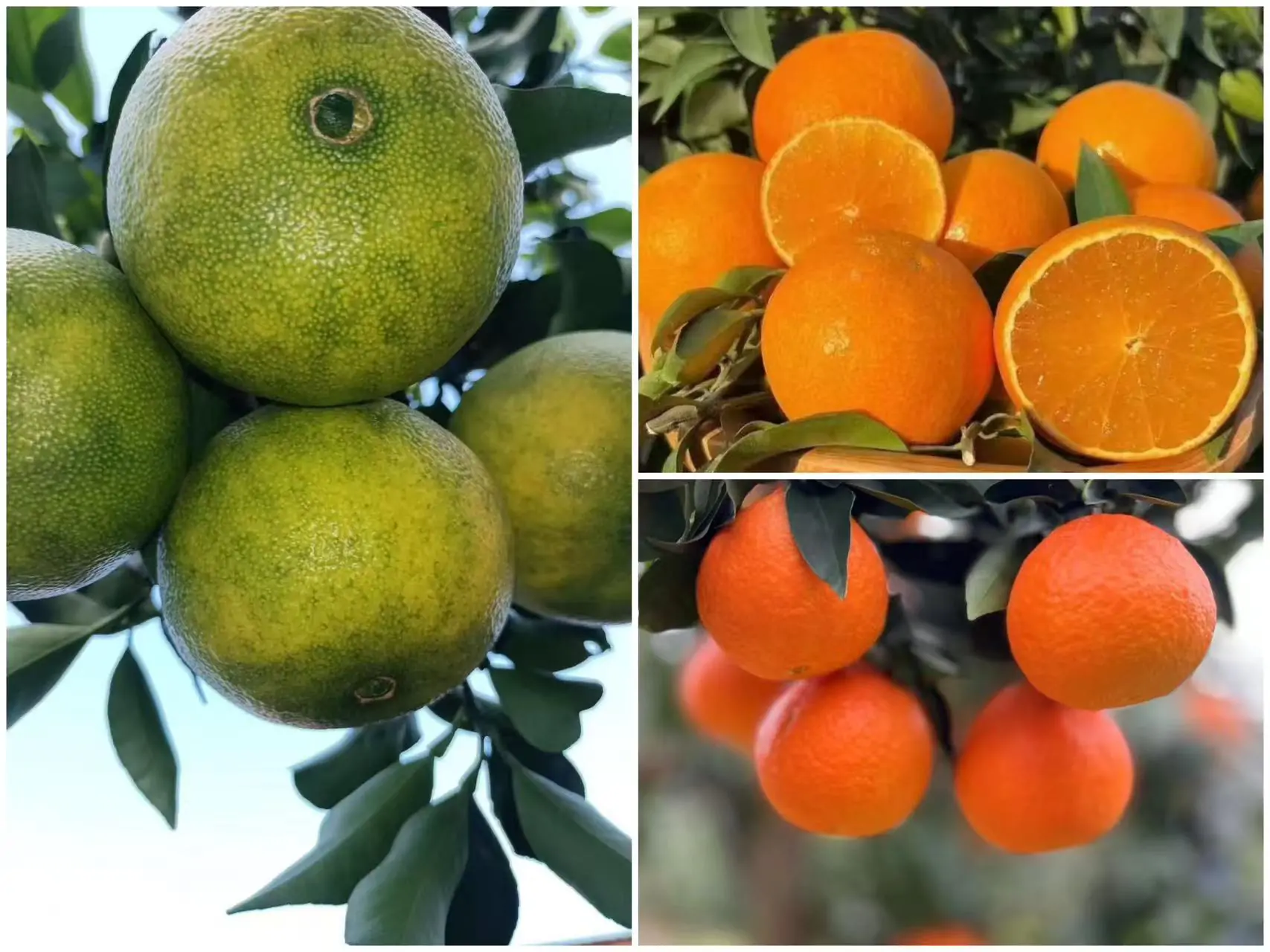
In terms of effectiveness, if the fruit has sufficient nutrient accumulation, even in the later stages, when temperatures and other adverse conditions slow the conversion of sugars into soluble sugars, the use of selenium fertilizer can rapidly increase the fruit’s sugar content, especially the conversion of soluble sugars. The core mechanism involves the addition of selenium, which regulates the sweetness threshold of the fruit. Higher selenium content not only improves the taste but also regulates the synthesis rate of organic acids, such as citric acid and malic acid, resulting in citrus fruits that are not only purely sweet but also have a certain degree of acidity. This maintains the sugar-acid ratio within a more palatable range. For example, the sugar-acid ratio of citrus fruits can be optimized from 8.1 to 12:1. Therefore, it’s not just a process of increasing sugar content but also a process of adjusting the sugar-acid ratio.
2,The second step is to enhance flavor compounds. This primarily involves a stable supply of specific amino acids, microbial flora, and organic matter. Ultimately, this results in a richer and more complex flavor profile in the fruit, particularly noticeable in terms of aroma intensity. After 2-3 applications, the aroma of the citrus fruits becomes very intense, resulting in a more layered and complex taste experience, going beyond pure sweetness with a richer aroma. This leads to a sweet, fragrant, and mellow flavor. Therefore, those who want to produce high-quality citrus fruits, and those with high requirements for the sugar-acid ratio and flavor compounds in citrus fruits, should learn more about selenium fertilizer.