
1. High Production Costs
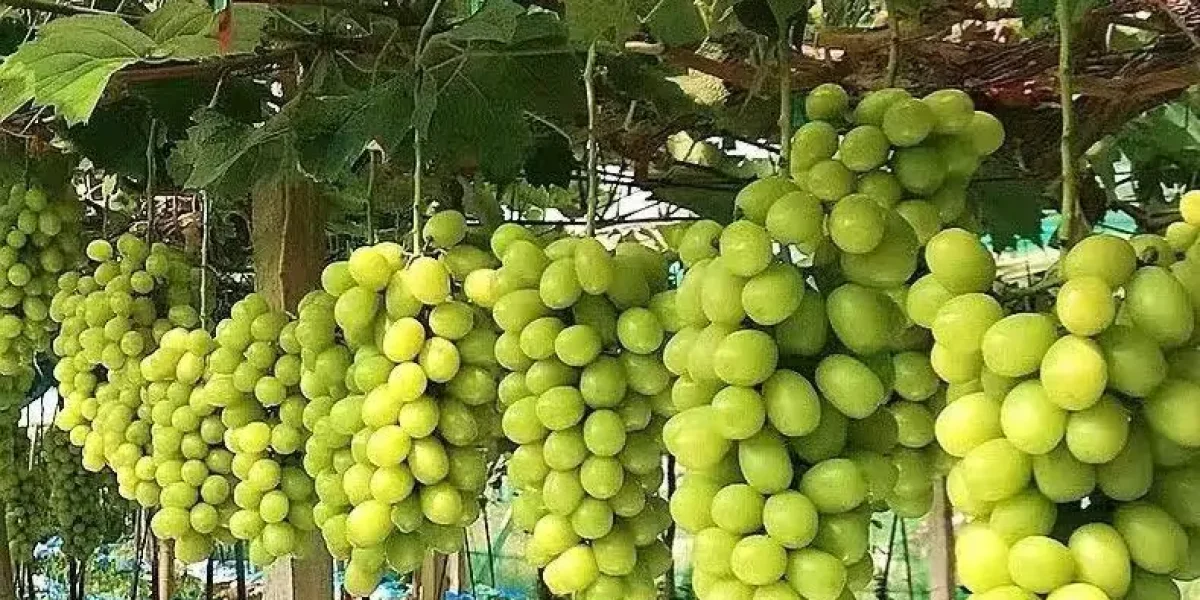
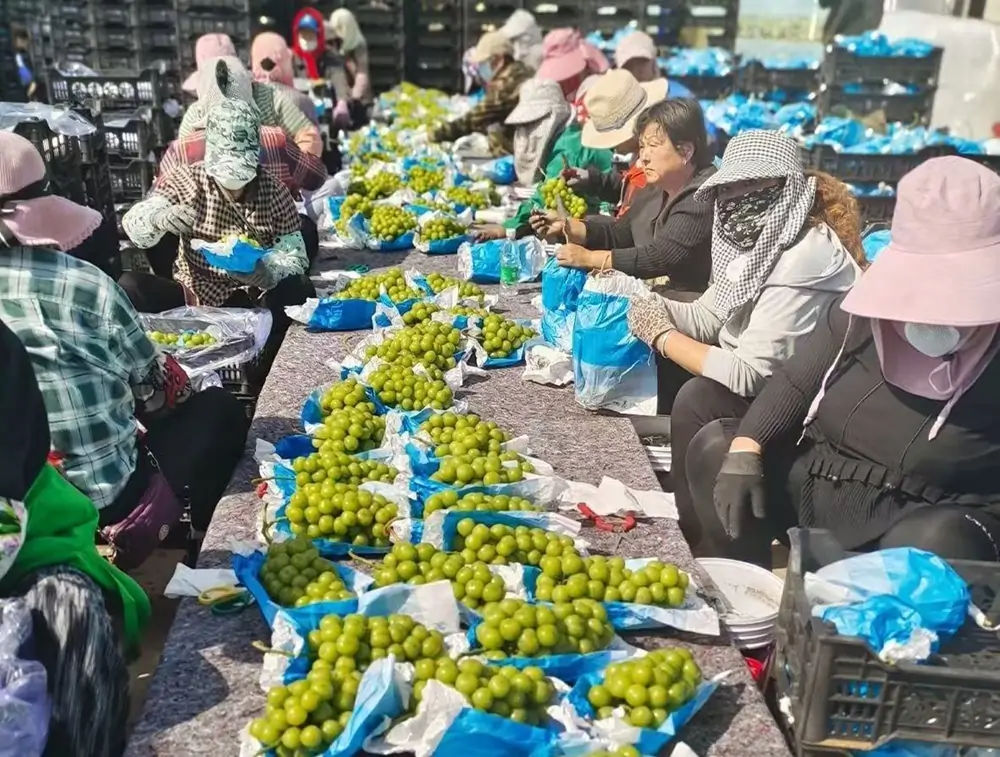
Growing Shine Muscat grapes requires intensive management. Orchard planting typically requires a significant investment in areas such as shed construction, bird protection, pruning, thinning, bagging, and pest and disease control. These additional inputs increase production costs compared to traditional grape varieties.
2. Complex Cultivation Techniques
Shine Muscat cultivation demands advanced technical knowledge. Vineyard management practices such as flower thinning, berry thinning, and strict canopy control are necessary to ensure high-quality fruit. If not managed properly, grape yields will decrease, quality will decline significantly, and taste and appearance will change drastically.
3. Market Competition and Price Volatility
As Shiny Muscat grapes gain increasing popularity, more and more regions are starting to cultivate this variety. This rapid expansion of planting area may lead to market oversupply, causing price fluctuations and reducing growers’ profits. The price competition from other grape varieties will also have a certain impact on Shiny Muscat grapes.
4. Climate Sensitivity
Shine Muscat grapes perform best under specific climatic conditions. shine muscat grape It prefers a warm, dry climate with plenty of sunshine and is suitable for cultivation in areas with an average annual temperature of around 15℃ and a frost-free period of more than 200 days.Excessive rain, humidity, or extreme temperatures can negatively affect fruit quality, increasing the risk for growers in certain regions.
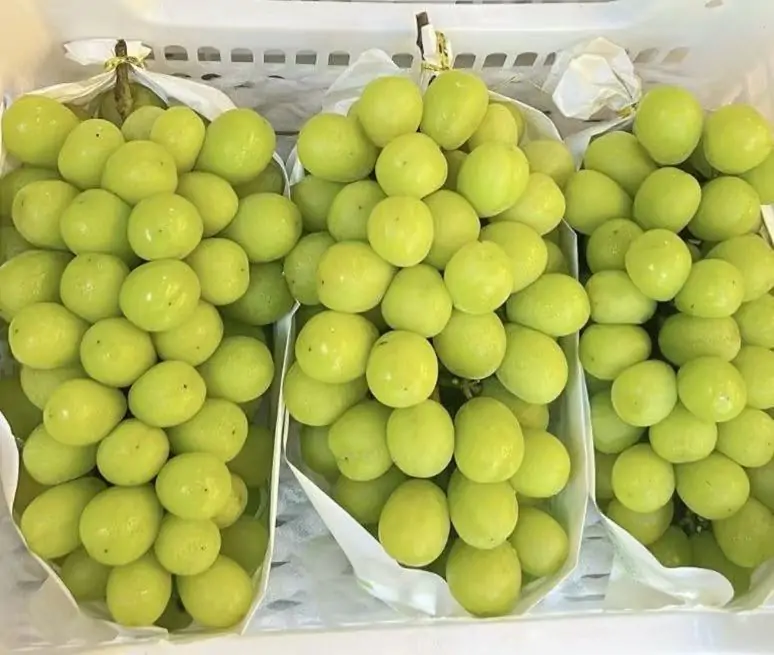
Shine Muscat grapes represent a successful example of a premium fruit variety that combines excellent flavor, visual appeal, and strong market demand. However, their cultivation requires high investment, technical expertise, and careful market management.Therefore, it’s quite difficult for consumers to enjoy this fruit at a very low price. It’s believed that Shine Muscat grapes will maintain their place among high-end fruits for a long time to come.