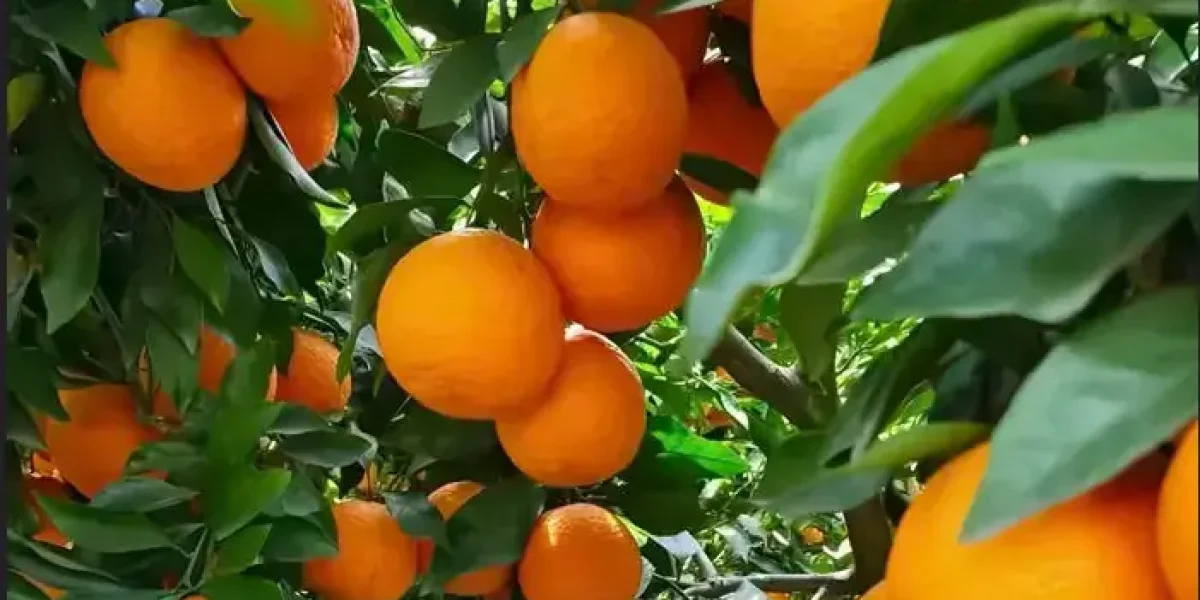
The Kiyomi orange is a remarkable citrus hybrid that has garnered significant attention in the world of fruit cultivation. With its vibrant color, sweet-tart flavor, and smooth texture, this fruit has become a favorite among consumers worldwide.
History and Origin of the Kiyomi Orange
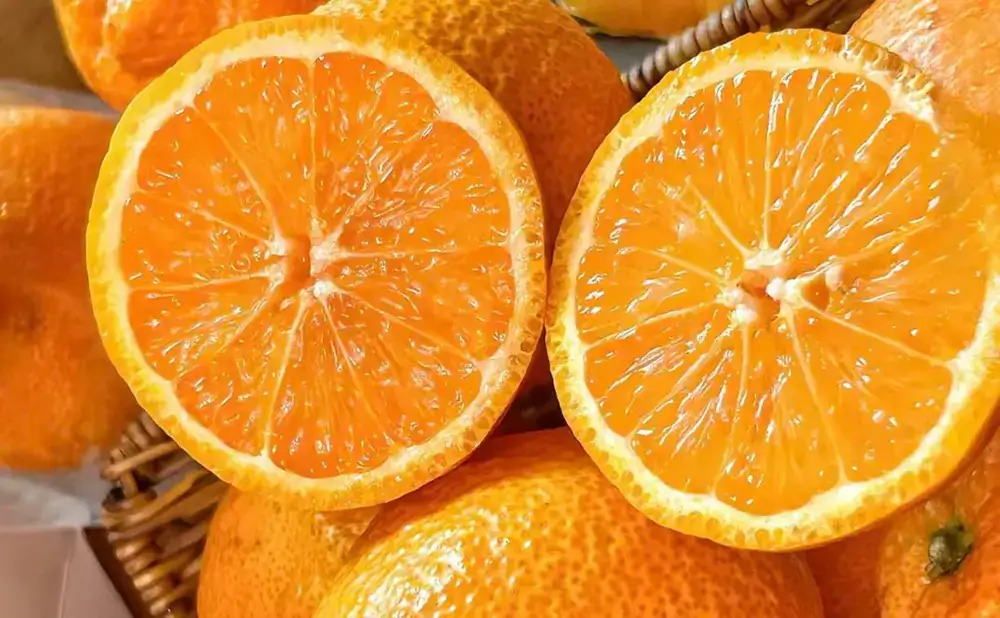
Kiyomi mandarin orange is a hybrid variety belonging to the Rutaceae family and the Citrus genus. It was developed in 1949 by the Japan Horticultural Experiment Station using Miyagawa early-maturing Satsuma mandarin as the female parent and Trovita sweet orange as the male parent. Registered in 1979, the average fruit weighs approximately 200 grams, with larger fruits reaching over 250 grams. The fruit has a smooth, orange surface and a thin, easily peeled skin. The flesh is orange, with a sugar content of 11°–13° and an acidity of approximately 1%. It matures from late January to early April.
The Kiyomi orange was named after the Japanese word “kiyomi,” which means “clear beauty” or “pure beauty.” This name reflects the fruit’s vibrant orange color and its aesthetically pleasing appearance. Over time, the Kiyomi orange gained popularity all over the world and beyond due to its superior quality, making it a sought-after variety among citrus enthusiasts.
Characteristics of the Kiyomi Mandarin Orange
The Kiyomi orange is a medium-sized fruit with a smooth, glossy rind that is a vibrant shade of orange. Its thin skin is easy to peel, and the segments inside are juicy and tender. The flesh of the fruit is bright orange, with a slightly tangy yet sweet flavor. This unique combination of sweetness and acidity sets the Kiyomi orange apart from other citrus varieties, making it a favorite among those who enjoy a balanced taste.
One of the key characteristics of the Kiyomi orange is its low seed count. Unlike many other citrus fruits, which may contain numerous seeds, the Kiyomi orange typically contains fewer seeds or none at all. This makes it an ideal choice for consumption in both fresh and processed forms, as it is more convenient for eating and juicing.
Another notable feature of the Kiyomi orange is its excellent shelf life. The fruit is known for its ability to maintain its freshness for extended periods, which makes it highly marketable. Whether transported across long distances or stored for a few weeks, the Kiyomi orange retains its flavor and quality, making it a popular choice for export to international markets.
Cultivation and Growing Conditions
The Kiyomi orange is primarily cultivated in MeiShan City, SiChuan Province, China, which suitable for citrus production in ideal climate regions. The Kiyomi orange thrives in subtropical and temperate climates, requiring warm temperatures and plenty of sunlight for optimal growth. It is a hardy tree that is resistant to many of the diseases and pests that commonly affect other citrus varieties. This makes it a relatively low-maintenance crop for farmers, contributing to its growing popularity among citrus growers.
The Kiyomi orange tree requires well-drained soil with a slightly acidic pH. MeiShan’s special geografical conditions suitable for the growth of the Kiyomi orange. Although the Kiyomi orange is a robust cultivar, it can be susceptible to certain pests, such as aphids and citrus leaf miners, which can damage the leaves and reduce the overall yield. Therefore, effective pest management practices are necessary to ensure a successful harvest.
Main Nutritional Components of Kiyomi Mandarin Oranges:
1. Vitamin C: Approximately 30-40 mg of vitamin C per 100 grams of Kiyomi Mandarin orange pulp, higher than common citrus fruits, helps boost immunity, promotes collagen synthesis, and has antioxidant properties.
2. Dietary Fiber: The pulp is high in soluble fiber (such as pectin), which promotes intestinal peristalsis, improves digestion, and helps regulate blood sugar and blood lipids.
3. Minerals and Trace Elements: Contains potassium, calcium, magnesium, etc., with potassium helping to maintain the electrolyte balance and cardiovascular health.
4. Flavonoids and Limonene: The peel and pulp contain natural antioxidants with anti-inflammatory, antiviral, and potential anti-cancer effects.
Benefits of Eating Kiyomi Mandarin orange:
1. Boosts Immunity: High vitamin C content can enhance white blood cell activity, helping to fight infection.
2. Promotes Metabolism: Dietary fiber and organic acids (such as citric acid) can accelerate fat breakdown and assist in weight management.
3. Protects the Cardiovascular System: Potassium and antioxidants can lower blood pressure, reduce oxidative damage to blood vessels, and prevent arteriosclerosis.
4. Relieve fatigue: The combination of fructose and organic acids can replenish energy rapidly and relieve muscle soreness after exercise.

Global Market and Popularity:
The Kiyomi orange has become increasingly popular outside of Asia, thanks to its unique taste and versatility. In countries like China, South Korea, and Taiwan, the fruit is highly regarded for its exceptional quality and is often sold in premium markets. Its appeal has extended beyond Asia, with the fruit being exported to countries in North America, Europe, and the Middle East.
Its sweet and tangy flavor profile makes it a versatile fruit, suitable for fresh consumption, juicing, and even use in salads and desserts. In Europe, the fruit has found a niche market among consumers seeking a high-quality, exotic citrus fruit.