
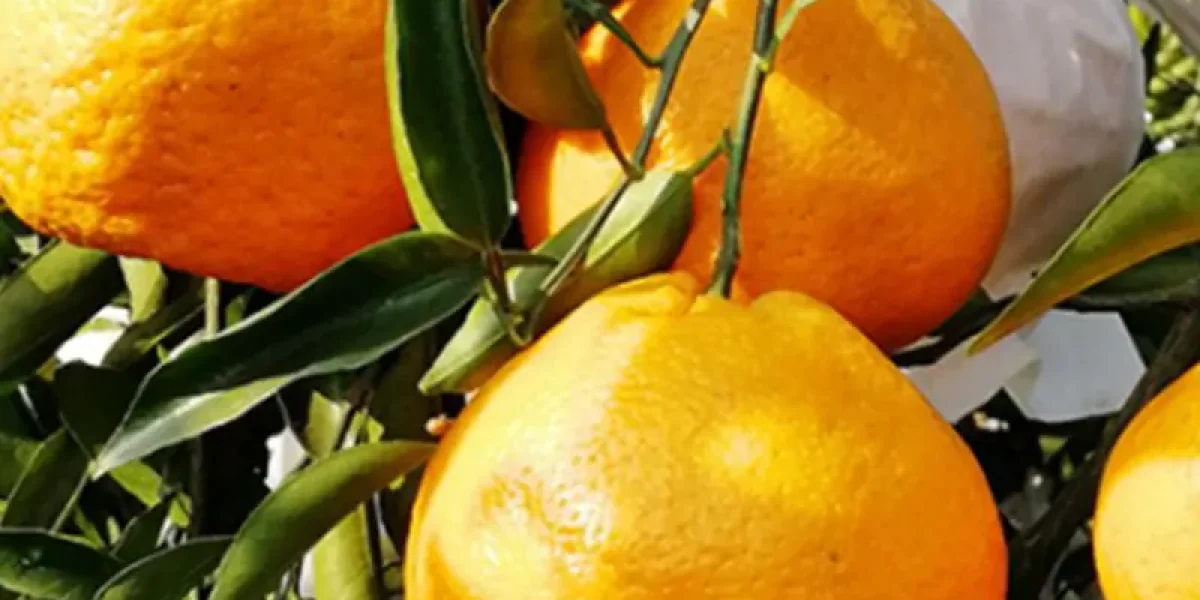
Harumi Mandarin Orange in Meishan, Sichuan,China: A Harvest of Flavor and Heritage
Nestled in the gentle hills of southwestern Sichuan Province, Meishan City. Meishan is the hometown of the great writer Su Dongpo. It boasts a wide variety of delicious food and is also a famous citrus-producing area. Harumi Mikan Mandarin orange also known as ChunJian Mandarin Orange and PaPa Gan, which has earned nationwide acclaim for its exceptional Chunjian Mandarin Orange Known locally as “the fruit that greets spring,” Spring‑See is celebrated for its plush texture, honeyed sweetness, and perfect balance of juice and fragrance. In Meishan, where misty rivers meet terraced orchards, this variety has become both an agricultural triumph and a cultural emblem.
Origins and Distinctive Qualities
Harumi Mandarin is a hybrid of Kiyomi tangor and Ponkan F-2432, developed in Japan in the late 20th century and introduced to China in the 1990s. Its name evokes the season of harvest—late January through March—when the fruit matures just as winter wanes and spring breathes warmth into the land. In Meishan’s mild subtropical climate, with ample rainfall and fertile red soils, Spring‑See develops a thin, easy‑to‑peel rind and succulent segments that melt in the mouth. The flavor profile is distinctive: low acidity, high sugar content, and subtle floral notes make it a favorite among consumers seeking a refined citrus experience.
Terroir and Cultivation Excellence
Meishan’s topography provides an ideal stage for Spring‑See cultivation. The city lies at the transitional zone between the Sichuan Basin and the western mountainous region, giving rise to microclimates that protect blossoms from late frosts and allow gradual sugar accumulation. Local growers employ meticulous orchard management: pruning for sunlight penetration, drip irrigation to conserve water, and integrated pest control to minimize chemical use. Many farms are certified under green or organic standards, responding to growing domestic and international demand for clean, traceable produce.
Economic and Cultural Impact
Harumi Mikan Mandarin Orange has become a pillar of Meishan’s rural economy. Thousands of households depend on orchard income, and cooperatives help smallholders access premium markets through branding and e‑commerce platforms. During the Chinese New Year period, gift boxes of Chuanjian Mandarin Orange are popular tokens of prosperity and good fortune, linking the fruit to festive traditions. The local government actively promotes “Meishan Papa Gan” as a geographical indication product, strengthening regional identity and encouraging agritourism—visitors come to pick fruit, learn about cultivation, and savor culinary creations featuring the citrus.
Challenges and Sustainable Growth
While Meishan’s Papa Gan enjoys strong demand, producers face hurdles such as climate variability, rising labor costs, and competition from other citrus regions. Frost events in early spring can threaten yields, and maintaining consistent quality requires continual training and technology adoption. To secure its future, Meishan is investing in cold‑tolerant rootstocks, precision farming tools, and digital marketing strategies that tell the story of its unique terroir. Research partnerships with universities aim to enhance disease resistance and extend the harvest window, ensuring the fruit remains a hallmark of excellence.
Chunjian Mandarin Orange in Meishan is more than a delicious fruit—it is a convergence of natural bounty, scientific care, and cultural pride. From the misty hillsides of Sichuan to dining tables across China and abroad, it carries the warmth of Meishan’s landscape and the diligence of its people. As the city nurtures this golden legacy with sustainability and innovation, Spring‑See will continue to symbolize the harmony of season, soil, and human endeavor—a true taste of spring in every bite.